
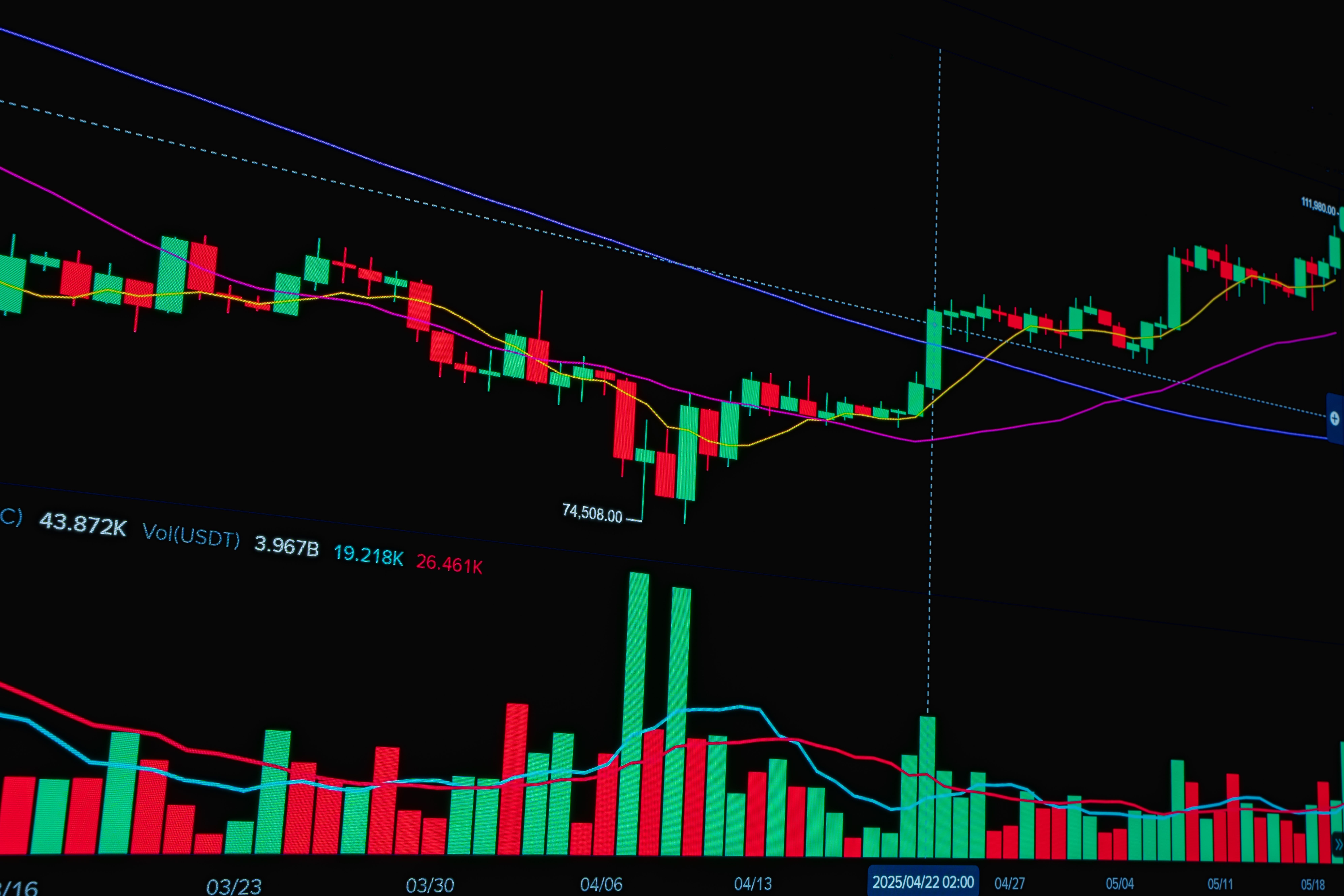
A share price falls on the day a dividend detaches from it, and the drop is not a reaction to bad news. It is arithmetic built into how ownership of the payment transfers.
The dividend leaves the company
Cash paid out is cash the company no longer holds. Everything else being equal, the business is worth less immediately after the payment than immediately before.
Shareholders are not poorer, because they hold the cash instead. The value has moved from inside the company to their accounts, not disappeared.
The share price reflects only what remains inside the business, so it necessarily falls by approximately the amount that left.
Four dates govern the process
A declaration date announces the payment. A record date determines who is on the books as an owner. The ex-dividend date determines who actually receives it, and the payment date is when cash arrives.
The ex-dividend date is the one that moves the price, because it is the first day on which a buyer purchases the shares without the right to that payment.
Buying the day before means receiving the dividend. Buying on the day itself does not, and the price adjusts to reflect exactly that difference in what is being bought.
The adjustment is mechanical, not a market opinion
Exchanges adjust resting orders and reference prices for the dividend, so the opening on the ex-date starts from a base that already reflects the payment.
This is why the drop appears even in stocks where nothing else happened. It is applied by the market's plumbing rather than produced by selling pressure.
Charts that do not adjust for dividends therefore show a series of small unexplained drops, which is a display artifact rather than a description of returns.
Total return and price return diverge
Price return measures only the quoted price. Total return counts the dividends as well, assuming they are received rather than lost.
For stocks that pay out substantially, the two figures separate significantly over long periods, which is why index comparisons must specify which version is being used.
Confusing the two makes dividend-paying stocks look like they underperform, when the missing amount is simply money that was handed to shareholders along the way.
Trying to capture the payment does not create value
Buying just before an ex-date and selling just after collects the dividend and absorbs the price drop, which cancels out before any costs are considered.
Transaction costs and the tax treatment of the payment then determine whether the result is negative, and that treatment varies by account type and by taxpayer.
The pattern is worth understanding not as a strategy but because it explains a daily price movement that would otherwise look like an unexplained decline.