
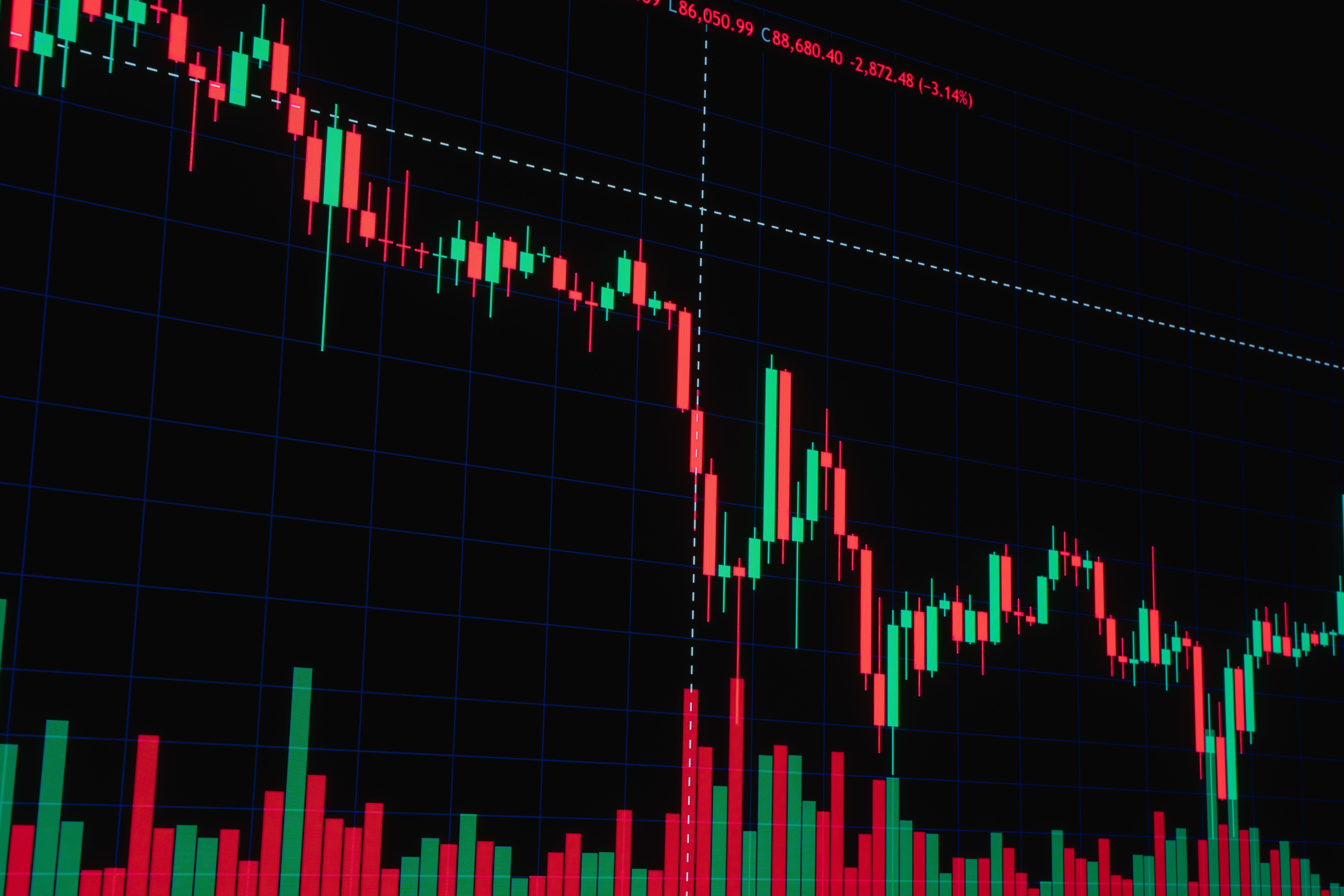
A stock split replaces each existing share with several shares and divides the price to match. Nothing about the company changes, which raises the question of why companies bother.
The arithmetic is deliberately neutral
A holder with a given number of shares receives a proportionally larger number, and the price per share falls in the same proportion. The value of the holding is unchanged.
The company's total value is likewise unchanged, since it is the share count multiplied by the price and both moved inversely.
Earnings per share, dividends per share and any other per-share figure are restated on the new basis, which is why historical charts are adjusted rather than showing a cliff.
Because no money changes hands and no new capital is raised, the company's balance sheet is unaffected beyond a reclassification within its own share capital accounts.
Accessibility is the traditional motivation
A high price per share once created a genuine barrier, because trading in round lots meant a minimum purchase of a hundred shares at a time.
Splitting brought the price back into a range where ordinary investors could buy a meaningful position without a large outlay.
Fractional share trading has weakened this argument considerably, since a platform allowing fractional purchases removes the barrier without any corporate action.
Index membership can depend on price
Most major indices weight members by market value, so a split has no effect on the weight of a company within them.
A small number of indices weight by share price instead, which makes a company's influence depend on an arbitrary figure the company controls.
For those indices a split materially reduces a member's weight, and it can affect whether a very high-priced company is eligible for inclusion at all.
The signal is the interesting part
Splits tend to follow sustained price appreciation, so the announcement often arrives after a period of strong performance.
Management choosing to split may also be signalling confidence that the price will not fall straight back, since splitting before a decline looks poor.
Any price reaction reflects that inference rather than the split itself, which is a distinction easily lost in commentary.
Reverse splits carry a different meaning
A reverse split consolidates shares to raise the price, and the arithmetic is again neutral in value terms.
The usual motivation is to meet an exchange's minimum price requirement, since a listing can be at risk when a price trades too low for too long.
Because the underlying situation is typically a large decline, reverse splits carry a very different association from ordinary ones despite identical mechanics.
They also create fractional entitlements for smaller holders, which are usually settled in cash, forcing a disposal that the holder did not choose to make.