
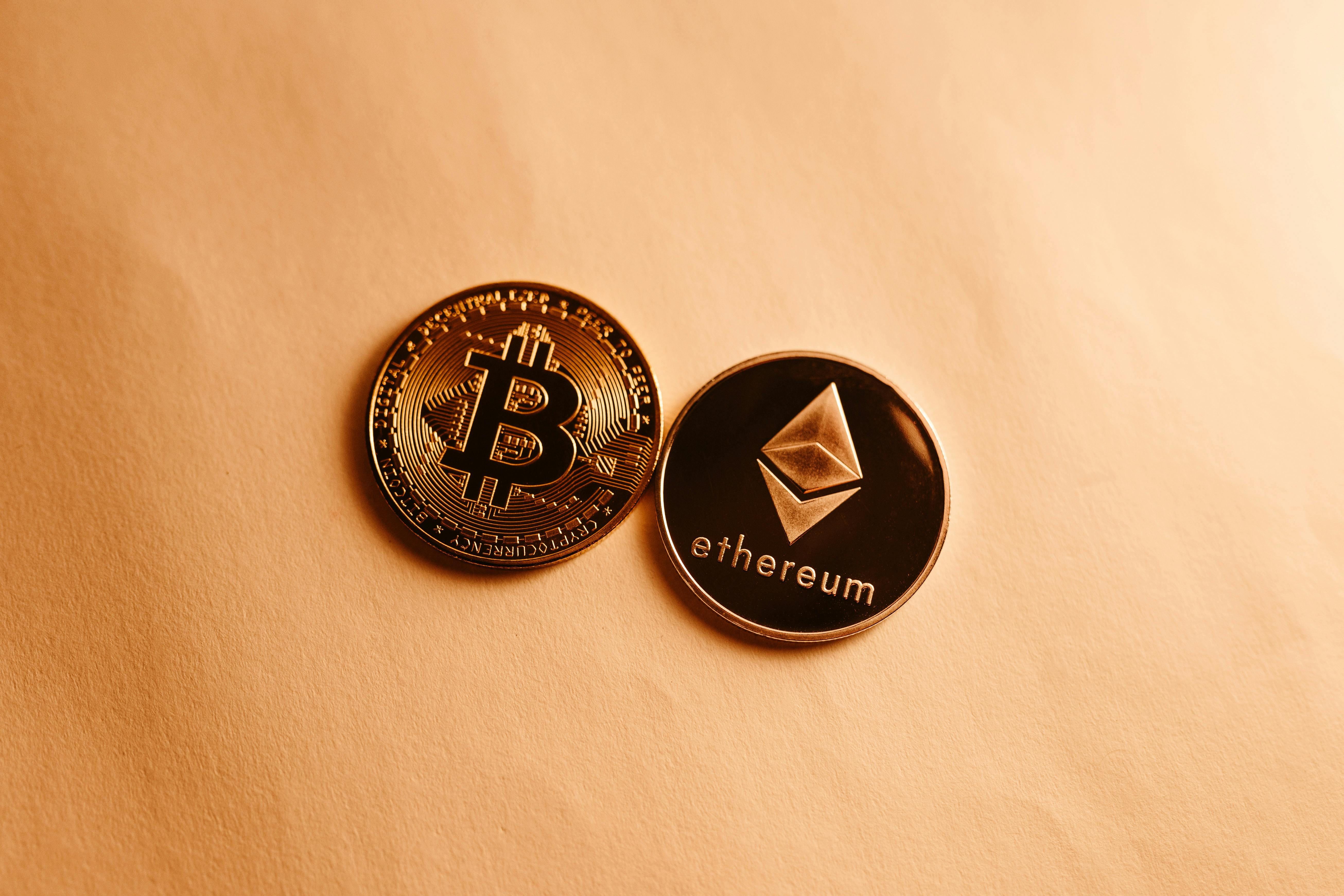
Are you *truly* prepared for what's coming? The crypto market isn't just volatile; it's undergoing a seismic shift that most investors are completely unaware of. What you don't know right now could jeopardize your entire financial future, costing you years of hard-earned wealth. But for the informed few, this very moment presents an unprecedented opportunity. Experts are sounding the alarm, revealing a shocking truth about YOUR digital assets – a truth that demands immediate attention. Don't make another move, don't risk another penny, until you uncover the critical insights hidden within these words. Your financial destiny hangs in the balance.
🔥 What's Happening Right Now: The Unseen Forces Reshaping Your Crypto Portfolio
The digital asset landscape, once hailed as a decentralized utopia, is now a high-stakes arena where fortunes are made and lost in the blink of an eye. For months, a quiet but profound transformation has been underway, driven by a confluence of macroeconomic pressures, regulatory tremors, and a fundamental re-evaluation by institutional giants. This isn't just another dip; it's a structural realignment, and understanding its undercurrents is paramount for every investor. Firstly, the ghost of inflation, once dismissed as transitory, has become an undeniable reality for American households. The Federal Reserve's aggressive stance on interest rate hikes, a necessary evil to cool down an overheating economy, has sent ripples through every asset class, especially speculative ones like cryptocurrencies. Higher interest rates mean that money becomes more expensive to borrow, making riskier investments less attractive compared to safer, yield-bearing alternatives like bonds or even high-yield savings accounts. This fundamental shift in capital allocation is directly impacting Bitcoin and Ethereum, the bellwethers of the crypto market, as institutional "smart money" rebalances portfolios away from high-beta assets. The days of cheap money fueling endless rallies are, for now, a relic of the past. Simultaneously, a wave of regulatory uncertainty is sweeping across the United States. While proponents argue for clear guidelines to foster innovation, the current environment is murky, creating a chilling effect on development and investment. The SEC's ongoing actions, the debate around stablecoin regulation, and the broader discussion about classifying various digital assets as securities are all contributing to a climate of apprehension. This isn't just about compliance; it's about the very future of how crypto businesses operate and how individual investors can participate. Major players are hesitant to dive deeper without a clear rulebook, and this caution translates directly into slower growth and increased volatility for the entire market. The "Wild West" narrative is giving way to a more constrained, but hopefully more secure, future – but the transition period is proving turbulent. Furthermore, the recent string of high-profile insolvencies and collapses within the crypto ecosystem – from major exchanges to lending platforms – has profoundly shaken investor confidence. These events have exposed critical vulnerabilities, including opaque lending practices, inadequate risk management, and outright fraud. While the industry often touts decentralization, the reality is that many investors interact with centralized entities that operate with varying degrees of oversight. The domino effect of these failures has led to significant capital losses, frozen assets, and a deep sense of betrayal among those who believed in the promise of a fairer financial system. This crisis of trust is forcing a re-evaluation of where and how investors store their digital wealth, pushing them towards more robust, transparent, and audited solutions. It's a stark reminder that not all custody solutions are created equal, and the onus is now on investors to perform unprecedented levels of due diligence. Finally, the narrative around cryptocurrencies itself is evolving. Once seen primarily as a speculative asset or a hedge against traditional finance, there's a growing divergence. Bitcoin is increasingly being viewed by some as "digital gold," a store of value, while Ethereum continues its transformation into a global settlement layer for decentralized applications. However, the vast majority of altcoins, meme coins, and early-stage projects face an existential crisis. In a tighter liquidity environment, capital flows towards proven utility and robust technology, leaving projects with weak fundamentals or speculative hype exposed. This flight to quality is a critical trend; it means that simply owning "crypto" is no longer a viable strategy. Investors must now differentiate between legitimate, long-term plays and the thousands of projects destined for obscurity. The market is maturing, and with maturity comes a stricter judgment on value and utility. These forces – inflation, regulatory ambiguity, systemic failures, and a maturing market – are not isolated incidents. They are interconnected threads weaving a new tapestry for the crypto world. Ignoring them is no longer an option; understanding them is the first step towards navigating this complex terrain and protecting your financial future.💡 Financial Impact: How The Current Climate Is Directly Affecting Your Wealth
The profound shifts described above are not abstract economic theories; they are having a tangible, often devastating, impact on the portfolios and financial security of everyday Americans. The "shocking truth" experts are revealing is that passive investment in crypto, without a deep understanding of these dynamics, is no longer a viable path to wealth preservation, let alone generation. For many, the most immediate impact has been a brutal decline in portfolio value. The promise of "to the moon" has, for large swathes of the market, been replaced by "back to earth" or even "underground." Investors who entered the market during the euphoric bull runs of 2020-2021 are now sitting on significant unrealized losses. While experienced investors understand market cycles, the sheer speed and depth of recent corrections have caught many off guard. This isn't just about numbers on a screen; it's about deferred dreams, delayed retirements, and the erosion of confidence in a nascent asset class that was supposed to provide an alternative to traditional financial woes. The emotional toll of watching your hard-earned capital diminish can lead to panic selling, locking in losses, and making irrational decisions that further exacerbate the problem. Beyond direct losses, the current environment presents a significant opportunity cost. Capital tied up in underperforming or stagnating digital assets could be deployed elsewhere, generating returns or protecting against inflation. With traditional inflation rates reaching multi-decade highs, the purchasing power of every dollar, and indeed every stablecoin, is being eroded daily. If your crypto investments are merely treading water or declining, you're not just losing nominal value; you're losing real purchasing power. This subtle but insidious form of financial erosion can be more damaging in the long run than a sharp, sudden drop, as it silently eats away at your future prospects without the immediate alarm bells. Furthermore, the rise in interest rates by the Federal Reserve has a dual impact. While designed to combat inflation, it also increases the cost of borrowing for consumers. This means credit card debt becomes more expensive, mortgages become less affordable, and the overall cost of living rises. For those with significant crypto holdings, a declining portfolio combined with rising living costs creates a squeeze on disposable income and savings. The dream of using crypto gains to fund major life events – a house, a child's education, early retirement – suddenly feels more distant, replaced by a growing anxiety about meeting everyday expenses. The regulatory crackdown and exchange failures also expose investors to entirely new forms of financial risk. Funds held on centralized exchanges, once thought secure, have proven vulnerable to insolvencies, hacks, and freezes. The phrase "not your keys, not your crypto" has never been more relevant. Many investors are now facing the grim reality that their digital assets are inaccessible or permanently lost due, not to market volatility, but to the operational failures of third-party platforms. This risk extends beyond exchanges to decentralized finance (DeFi) protocols, where smart contract vulnerabilities and "rug pulls" can lead to instantaneous and irreversible losses. The allure of high yields often masks a labyrinth of technical and counterparty risks that most retail investors are ill-equipped to assess. Finally, the psychological impact cannot be overstated. The constant barrage of negative news, the fear of missing out (FOMO) on the next big rally, and the fear of losing everything (FUD) create a highly stressful environment. This emotional rollercoaster can lead to impulsive decisions – buying at the peak, selling at the bottom – that are detrimental to long-term wealth building. It erodes trust, not just in the crypto market, but in one's own financial decision-making abilities. Without a clear strategy and an understanding of the underlying forces at play, investors are left feeling helpless, at the mercy of market whims and external events. This is why having a clear, informed strategy is no longer optional; it is the cornerstone of financial resilience in this evolving landscape.💰 Best Options in Comparison: Navigating the Storm for Sustainable Wealth
In an environment characterized by unprecedented volatility, inflation, and systemic risks, the "set it and forget it" approach to crypto investing is no longer a viable strategy. True financial security and the potential for wealth generation now demand a proactive, informed, and diversified approach. Here, we compare the best options for investors looking to protect and grow their capital amidst the current crypto alert.-
Option 1: Strategic Diversification Beyond Crypto
While crypto offers unique opportunities, putting all your eggs in one volatile basket is a recipe for disaster. Smart money is looking at a balanced portfolio that includes traditional assets, providing stability and alternative growth vectors. This doesn't mean abandoning crypto, but rather integrating it thoughtfully into a broader financial plan.
-
Option 2: "Smart Money" Crypto Plays with a Focus on Fundamentals
Not all cryptocurrencies are created equal. In a tightening market, capital flows towards projects with proven utility, strong development teams, robust security, and clear regulatory paths. This means focusing on the established "blue chips" and carefully vetted, innovative projects that solve real-world problems.
-
Option 3: Professional Guidance and Robust Risk Management
The complexity of the current market makes expert advice invaluable. A professional financial advisor specializing in digital assets can help you craft a personalized strategy, assess risk tolerance, and implement sophisticated risk management techniques that are beyond the scope of most retail investors. This includes portfolio rebalancing, understanding tax implications, and secure asset custody.
| Strategy/Asset Class | Risk Profile | Potential Return | Stability in Volatility | Key Considerations & Actions |
|---|---|---|---|---|
| Diversified Traditional Assets (e.g., Real Estate, Commodities, Dividend Stocks, Bonds) | Low to Medium | Moderate (Inflation-Adjusted) | High (Provides a hedge against crypto market downturns) |
|
| Blue-Chip Cryptocurrencies (e.g., Bitcoin, Ethereum) | Medium to High | High (Long-term growth potential) | Medium (Still volatile, but more resilient than altcoins) |
|
| Select DeFi/Web3 Projects (Vetted for Security & Utility) | High | Very High (If successful) | Low (Highly sensitive to market sentiment and project-specific risks) |
|
| Stablecoins & Yield Farming (with caution) | Medium | Low to Medium (Passive income) | Medium (Subject to de-peg risk, smart contract risk, regulatory scrutiny) |
|
| Professional Portfolio Management & Secure Custody Solutions | Varies (Tailored to individual risk tolerance) | Varies (Aims for optimized, risk-adjusted returns) | High (Through expert strategy and advanced security protocols) |
|