
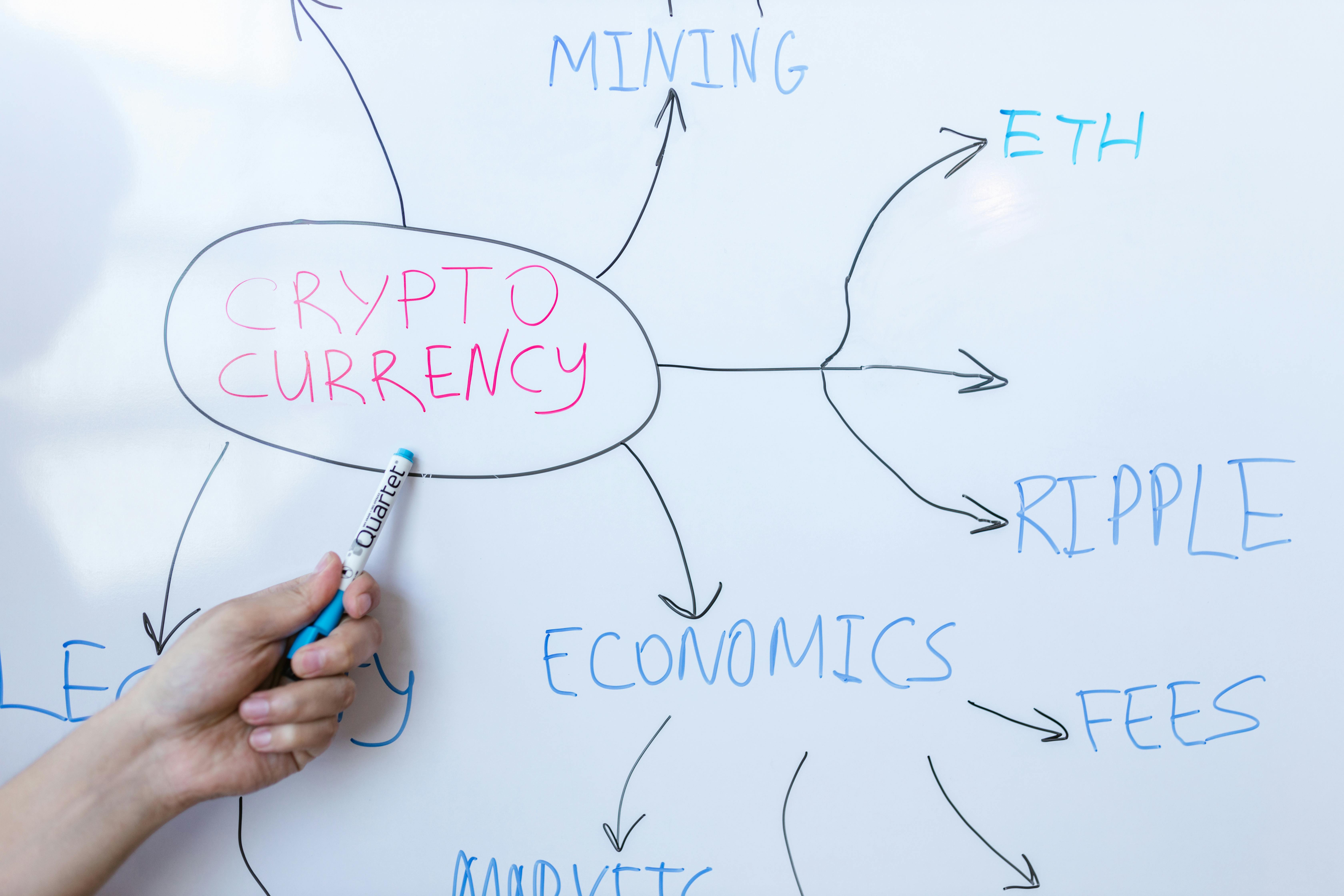
Discover the explosive growth of Real-World Assets (RWAs) on blockchain in 2026 and how tokenization is unlocking unprecedented investment opportunities. Learn to navigate the best platforms for fractional ownership, high-yield digital assets, and portfolio diversification, transforming traditional finance into a high-return crypto frontier.
Introduction to the Topic
The year is 2026, and the financial landscape is undergoing a seismic shift. While Bitcoin and Ethereum continue to dominate headlines, a quieter, yet profoundly impactful revolution has been brewing beneath the surface: the tokenization of Real-World Assets (RWAs). No longer confined to the abstract realm of digital currencies, blockchain technology is now digitally representing everything from real estate and government bonds to private credit and fine art. This convergence of traditional finance (TradFi) with decentralized finance (DeFi) is not just a trend; it's the inevitable evolution of global capital markets, promising unparalleled liquidity, transparency, and accessibility for investors worldwide.
For decades, many lucrative investment opportunities were locked behind high entry barriers, geographic limitations, and slow, archaic settlement processes. Imagine owning a fractional share of a Manhattan skyscraper, investing in a high-yield private credit fund with instant settlement, or diversifying your portfolio with tokenized fine wine – all from your digital wallet. This isn't a futuristic fantasy; it's the present reality enabled by RWAs on blockchain. As we delve deeper into 2026, collectpenny.com is here to guide you through this burgeoning frontier, helping you identify the platforms and strategies that will maximize your returns and future-proof your investment portfolio.
Backgrounds & Facts
The concept of tokenizing assets isn't new, but its practical application and widespread adoption have accelerated exponentially since the mid-2020s. Historically, investing in assets like commercial real estate, private equity, or even high-grade corporate bonds required significant capital, lengthy legal procedures, and often a network of exclusive connections. These assets were inherently illiquid, making it challenging for investors to enter or exit positions quickly.
Blockchain technology, with its immutable ledger, smart contract capabilities, and global reach, has dismantled these barriers. Tokenization breaks down a large asset into smaller, digital units (tokens), each representing a fractional ownership stake. These tokens can then be traded on secondary markets 24/7, just like cryptocurrencies, but with tangible, real-world value backing them. This process introduces several transformative benefits:
- Fractional Ownership: Lowering the entry barrier for high-value assets, making them accessible to a broader range of investors.
- Enhanced Liquidity: Tokenized assets can be traded more easily and quickly than their traditional counterparts, reducing settlement times from days to minutes.
- Increased Transparency: All transactions are recorded on a public, immutable ledger, reducing fraud and increasing trust.
- Reduced Costs: Automation via smart contracts minimizes intermediaries, legal fees, and administrative overhead.
- Global Accessibility: Investors from anywhere in the world can participate, fostering truly global capital markets.
By 2026, industry projections indicate that the market for tokenized RWAs could reach into the multi-trillion-dollar range, a significant leap from earlier estimates. This growth is fueled by increasing institutional interest, clearer regulatory frameworks emerging from leading financial hubs, and technological advancements in interoperability and security. While initial skepticism focused on regulatory hurdles and technological maturity, the past few years have seen significant breakthroughs, positioning RWAs as a cornerstone of the next financial paradigm.
Expert Opinion / Analysis
To truly understand the magnitude of this shift, we reached out to leading voices in both traditional finance and the crypto space.
Dr. Evelyn Reed, Head of Digital Assets Strategy at 'Apex Capital Group,' a global investment bank, shared her insights: "What we're witnessing in 2026 is the institutional awakening to RWAs. For years, the conversation was theoretical. Now, with robust infrastructure, regulatory sandboxes yielding clear guidelines, and proven use cases, major players are actively integrating tokenized assets into their portfolios. The efficiency gains in capital deployment, collateral management, and risk hedging are simply too significant to ignore. We're seeing a fundamental re-evaluation of how illiquid assets are valued and exchanged, and blockchain is the catalyst."
Echoing this sentiment, Marcus Thorne, CEO of 'Veridian Labs,' a leading RWA tokenization platform, emphasized the democratization aspect: "The beauty of RWAs isn't just for institutions; it's for everyone. Imagine a retail investor being able to participate in a diversified portfolio of prime commercial real estate, previously only accessible to ultra-high-net-worth individuals. Or accessing sovereign debt yields directly on-chain, bypassing traditional brokers. This isn't just about 'crypto gains'; it's about unlocking economic opportunity for billions, creating more resilient and inclusive financial systems. The key challenge now is standardization and seamless cross-chain interoperability, which we are rapidly addressing."
Experts also point to the evolving regulatory landscape. While some jurisdictions initially struggled, 2026 has seen significant progress with frameworks like the EU's MiCA and similar initiatives in the US and Asia providing much-needed clarity. This regulatory certainty is crucial for attracting the vast pools of institutional capital required to truly scale the RWA market.
💰 Best Options in Comparison (VERY IMPORTANT)
Navigating the RWA landscape can feel complex, but understanding the different asset classes and the platforms specializing in them is key to making informed investment decisions. Here, we break down the most prominent RWA categories and highlight top platforms poised for growth in 2026, catering to various investor profiles and risk appetites.
1. Tokenized Real Estate
The ultimate illiquid asset made liquid. From commercial properties to residential units, fractional ownership makes real estate investment accessible and offers stable rental yields and potential appreciation.
2. Private Credit & Debt
Connecting DeFi lenders with real-world borrowers (businesses, individuals) for high-yield opportunities, often backed by tangible collateral. These offer attractive, predictable returns often uncorrelated with broader crypto markets.
3. Government Bonds & T-Bills
Tokenized versions of highly secure, yield-bearing assets. Offers stability and a safe haven, often providing a baseline risk-free rate on-chain, crucial for institutional DeFi adoption.
4. Commodities & Collectibles
Tokenizing physical gold, silver, rare art, or even carbon credits. Provides diversification against inflation and access to alternative asset classes.
Here’s a comparison of leading platforms and their offerings:
| Platform Name | Primary Asset Focus | Typical APY/Return | Minimum Investment | Liquidity Profile | Target Investor | Key Differentiator |
|---|---|---|---|---|---|---|
| TokenEstate Global | Commercial Real Estate | 5-10% (rental yield + appreciation) | $100 | Moderate (secondary market) | Retail, HNWIs, Institutions | Diversified portfolio of global prime properties. |
| CrediFi Solutions | Private Credit (SME loans, invoices) | 8-15% (stable interest) | $500 | Low-Moderate (fixed terms) | DeFi power users, Yield seekers | Robust underwriting, real-world collateral. |
| GovChain Bonds | Tokenized Government Bonds (T-Bills) | 4-6% (variable with market rates) | $10 | High (instant redemption/swap) | All investors, institutions, stablecoin users | Risk-free on-chain yield, high liquidity. |
| CommoDigital Exchange | Gold, Silver, Carbon Credits | Market dependent | $1 | High (24/7 trading) | Diversification seekers, inflation hedges | Direct ownership of physical assets via tokens. |
| ArtChain Collectibles | Fine Art, Rare Collectibles | Highly variable (appreciation) | $50 | Low-Moderate (niche market) | Art enthusiasts, alternative asset investors | Exclusive access to high-value, curated pieces. |
Note: APY/Return figures are illustrative and subject to market conditions and specific asset performance. Always conduct your own due diligence.
Outlook & Trends
Looking ahead from 2026, the RWA narrative is far from reaching its zenith. Several key trends are poised to shape its future:
- Interoperability Dominance: The ability to seamlessly move tokenized assets across different blockchains (e.g., Ethereum, Solana, Avalanche) will be paramount. Protocols like LayerZero and Chainlink's CCIP will become critical infrastructure, ensuring maximum liquidity and reach.
- AI Integration: Artificial intelligence will play an increasing role in RWA analysis, risk assessment, and portfolio management. AI-powered algorithms will identify optimal RWA investment opportunities, predict market movements, and even automate asset rebalancing based on investor preferences and real-time data.
- Institutional Floodgates: As regulatory clarity solidifies globally, traditional financial institutions (pension funds, hedge funds, sovereign wealth funds) will significantly increase their allocation to tokenized RWAs, driving massive capital inflows and further legitimizing the sector.
- Hybrid Financial Products: Expect to see the emergence of sophisticated financial instruments that blend traditional derivatives with tokenized RWAs, offering new hedging strategies and yield generation opportunities.
- Decentralized Identity (DID) & KYC: Enhanced on-chain identity solutions will streamline compliance for RWA platforms, enabling a more secure and efficient onboarding process while adhering to global AML/KYC standards.
- New Asset Classes: Beyond current offerings, expect tokenization to expand into niche markets like intellectual property rights, sports team ownership, venture capital funds, and even human capital, unlocking unprecedented value.
The synergy between blockchain, AI, and traditional finance is creating a robust, interconnected ecosystem where capital flows more freely, efficiently, and equitably than ever before. For investors, this means a broader menu of investment options, superior diversification, and the potential for enhanced risk-adjusted returns.
Conclusion
The tokenization of Real-World Assets isn't merely a technological advancement; it's a paradigm shift poised to redefine global finance in 2026 and beyond. By breaking down traditional barriers, RWAs offer unprecedented access to high-value, previously illiquid assets, empowering both retail and institutional investors to diversify their portfolios and unlock new avenues for wealth creation.
As the market matures, regulatory frameworks solidify, and technological infrastructure improves, the potential for RWAs to become a cornerstone of every diversified investment portfolio is undeniable. The platforms highlighted above represent just a glimpse into the innovative solutions available, each offering unique opportunities to engage with this transformative sector.
The message from collectpenny.com is clear: Don't be left behind. Explore the world of tokenized RWAs, understand the underlying assets, and meticulously evaluate the platforms. The future of finance is here, and it's backed by the real world. Seize the opportunity to reshape your financial future and build a truly diversified, high-performing portfolio in this exciting new era.