
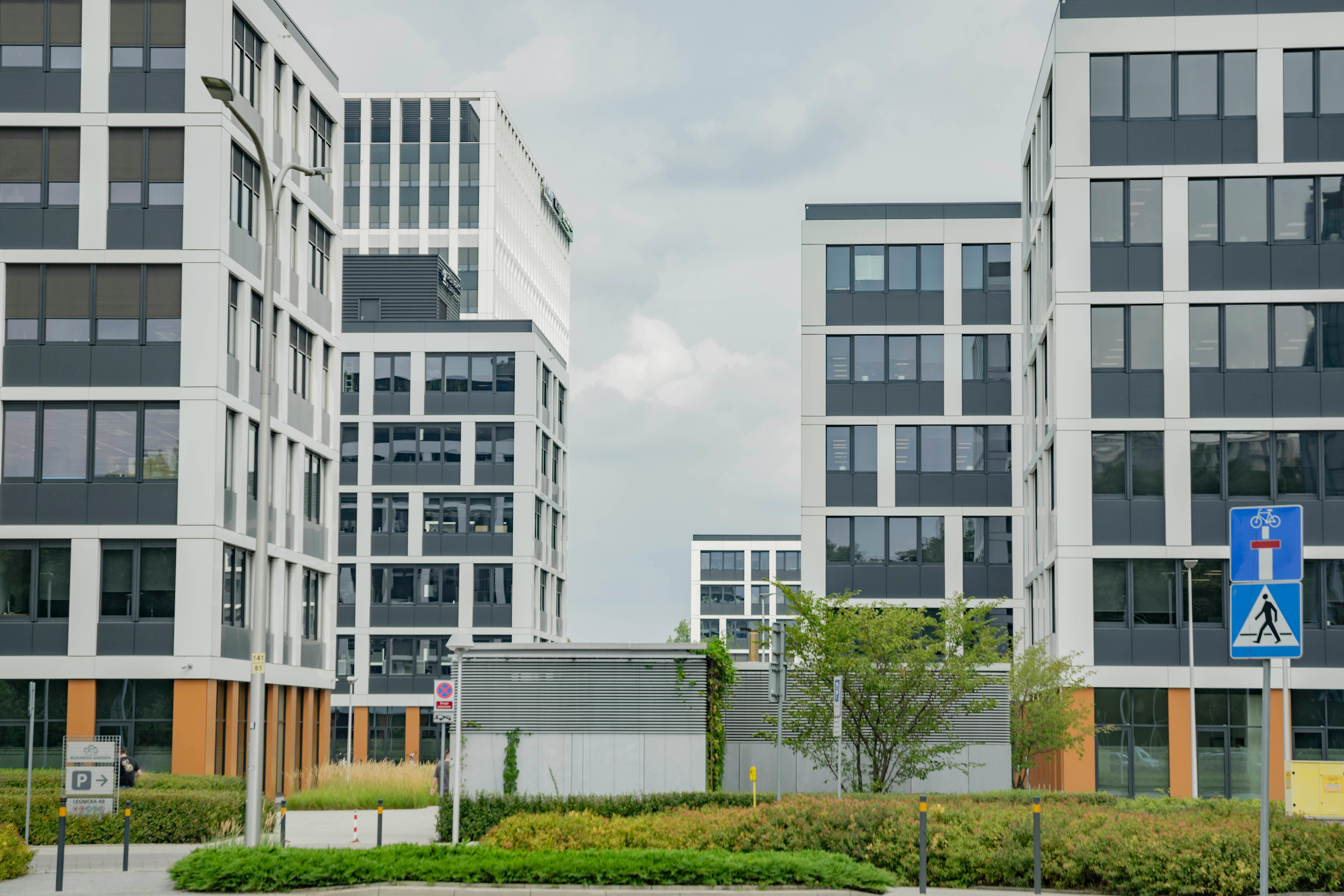
Discover how tokenized real estate and fractional ownership are democratizing high-value property investments in 2026. Learn about the top platforms, compare your best options, and leverage digital assets for unprecedented portfolio diversification and high returns, even with a lower minimum investment.
Introduction to the Topic
The year 2026 marks a pivotal moment in real estate investment. For decades, access to prime commercial properties, luxury vacation homes, or high-yield development projects was largely restricted to institutional investors or the ultra-wealthy. The traditional barriers – astronomical capital requirements, illiquidity, and complex legal processes – kept the average investor on the sidelines, often relegated to less direct methods like Real Estate Investment Trusts (REITs) or mutual funds. However, a seismic shift has occurred, powered by blockchain technology and innovative financial models: the rise of tokenized real estate and fractional ownership.
No longer are you confined to buying an entire property. Imagine owning a digital share of a Manhattan skyscraper, a villa in Tuscany, or a cutting-edge data center – all managed seamlessly through secure digital platforms. This isn't science fiction; it's the present reality for savvy investors. This comprehensive guide from collectpenny.com will illuminate how these groundbreaking approaches are redefining wealth building, offering unparalleled access, liquidity, and diversification to a global investor base. If you're looking to maximize your real estate investment returns and explore the future of property ownership, you've come to the right place.
Backgrounds & Facts
At its core, tokenized real estate involves converting real-world property rights into digital tokens on a blockchain. Each token represents a fractional ownership share of a specific asset, whether it's an apartment building, a commercial complex, or even undeveloped land. These tokens are immutable, transparent, and verifiable, leveraging the security and efficiency of distributed ledger technology. This process significantly reduces intermediaries, transaction costs, and the time typically associated with traditional property transfers.
Fractional ownership, while not entirely new, has been supercharged by tokenization. Historically, fractional ownership meant co-owning a vacation home with a few trusted partners, often fraught with management complexities. Today, platforms facilitate the fractionalization of diverse properties, allowing hundreds or even thousands of investors to collectively own a single asset. The key distinction with tokenization is the underlying technology: blockchain ensures secure, transparent, and potentially highly liquid digital shares.
The market for tokenized real estate has seen exponential growth leading into 2026. According to recent PropTech reports, the global market capitalization for real estate tokenization projects is projected to exceed $50 billion by the end of this year, with a compound annual growth rate (CAGR) of over 30% for the next five years. This growth is driven by several factors:
- Democratization of Investment: Lower entry barriers, often starting from just a few hundred dollars, open up prime investment opportunities to a much wider audience.
- Enhanced Liquidity: Unlike traditional real estate, which can take months to sell, tokenized assets can theoretically be traded on secondary markets in minutes or hours, offering investors unprecedented flexibility.
- Transparency & Security: Blockchain's inherent transparency means all ownership records and transactions are publicly verifiable and tamper-proof. Smart contracts automate agreements, reducing legal complexities and fraud risks.
- Global Accessibility: Investors from anywhere in the world can participate, removing geographical limitations and fostering a truly global real estate market.
- Diversification Potential: Investors can easily diversify their portfolios across various property types, locations, and risk profiles without needing substantial capital for each asset.
This convergence of financial innovation and real estate is not just a trend; it's a fundamental shift in how we perceive, invest in, and manage property assets, promising high returns and new avenues for wealth creation.
Expert Opinion / Analysis
“The traditional real estate market is notoriously inefficient and exclusive,” states Dr. Elena Petrova, a leading economist specializing in digital asset markets at the Global Blockchain Institute. “Tokenization is dismantling these barriers, ushering in an era of unprecedented accessibility and efficiency. We are moving from illiquid, opaque, and centralized ownership to liquid, transparent, and decentralized models. This isn't just about technology; it's about financial inclusion and empowering a new generation of investors.”
Our analysis at collectpenny.com confirms this sentiment. The regulatory landscape, while still evolving, is becoming clearer in key jurisdictions, providing a more stable environment for platforms and investors. Major financial institutions are increasingly exploring or directly engaging with tokenized assets, signaling mainstream acceptance. However, Dr. Petrova cautions, “While the potential for high returns is significant, investors must conduct thorough due diligence. Not all platforms are created equal, and understanding the underlying asset, the tokenomics, and the regulatory framework of each investment is paramount.”
Key areas of analysis for investors in 2026 include:
- Platform Security & Reputation: How robust are the platform's cybersecurity measures? What is its track record?
- Underlying Asset Quality: Is the property well-vetted, with strong fundamentals and growth potential?
- Regulatory Compliance: Does the platform operate legally within its jurisdiction and offer clear investor protections?
- Liquidity Mechanisms: How easily can tokens be bought and sold? Are there active secondary markets?
- Management & Governance: Who manages the property, and how are decisions made? Is there a clear governance structure for token holders?
The shift towards tokenized real estate is also attracting a new demographic of investors – those comfortable with digital assets, seeking diversification beyond traditional stocks and bonds, and looking for alternative investments with tangible asset backing. The blend of real-world value with blockchain's efficiency makes this a compelling proposition for maximizing CPM and RPM in a diversified portfolio.
💰 Best Options in Comparison (VERY IMPORTANT)
As the market matures in 2026, several distinct models and platforms have emerged, each catering to different investor preferences and risk appetites. Understanding these options is crucial for making informed decisions and optimizing your real estate investment strategy.
Here are the leading categories of platforms for tokenized and fractional real estate investment:
-
1. Dedicated Tokenization & Blockchain Real Estate Platforms (e.g., RealBlock Global, PropertyChain)
These platforms specialize in directly tokenizing individual properties or portfolios, offering direct ownership of asset-backed tokens. They often provide a wide range of property types, from commercial offices to residential rentals, and sometimes even development projects. The focus is on leveraging blockchain for maximum transparency and potential for secondary market liquidity. Investors typically receive rental income proportionate to their token holdings and can benefit from property appreciation. These platforms are often at the forefront of regulatory innovation, working with authorities to ensure compliance.
Ideal for: Investors seeking direct exposure to real estate assets, comfortable with digital asset management, and looking for potentially higher liquidity and direct participation in property performance.
-
2. Curated Fractional Ownership Platforms (e.g., EquityEstates Digital, Co-Own Lux)
These platforms focus on curating high-quality, often luxury or vacation properties, and then offering fractional shares. While they may or may not use blockchain for the underlying ownership structure, they prioritize professional property management, seamless booking (for luxury vacation homes), and a hands-off investment experience. The digital aspect simplifies the buying and selling of shares, though liquidity might be tied to the platform's internal marketplace or specific exit strategies. They offer access to assets that would otherwise be unattainable for most individuals.
Ideal for: Investors looking for hassle-free access to high-end or income-generating properties, preferring professional management, and valuing convenience over direct blockchain interaction.
-
3. Real Estate Investment DAOs (Decentralized Autonomous Organizations)
DAOs represent the cutting edge of decentralized finance (DeFi) applied to real estate. In a real estate DAO, members collectively own and govern a portfolio of properties. Investment decisions, property management strategies, and profit distribution are often determined by token holders through a voting mechanism. While offering unparalleled decentralization and community involvement, DAOs can also be more complex, carry higher experimental risk, and require a deeper understanding of blockchain governance and smart contracts. They typically emerge from strong crypto communities and focus on niche or innovative property ventures.
Ideal for: Advanced investors seeking decentralized governance, high community engagement, and comfortable with higher risk/reward profiles inherent in cutting-edge DeFi applications.
To help you compare these options and make an informed decision, here's a detailed comparison table:
| Feature | Dedicated Tokenization Platforms | Curated Fractional Ownership | Real Estate Investment DAOs |
|---|---|---|---|
| Minimum Investment | Typically $100 - $1,000+ | Typically $5,000 - $25,000+ | Highly variable, often $500 - $5,000+ |
| Liquidity | High potential on secondary markets | Moderate, often platform-dependent | Variable, dependent on DAO activity & market |
| Management Fees | Asset management fees (e.g., 0.5-2% annually) | Service fees, property management fees (often higher) | Protocol fees, treasury contributions, often lower direct fees |
| Asset Types | Diverse (commercial, residential, industrial, land) | Often luxury residential, vacation homes, high-end commercial | Varied, often experimental or niche properties |
| Regulatory Oversight | Increasingly regulated, often security tokens | Established, often under traditional real estate law | Evolving, often less direct regulation |
| Investor Control/Governance | Passive, voting rights on major decisions | Passive, minimal direct control | Active, direct voting on proposals |
| Risk Profile | Moderate to High (market volatility, platform risk) | Moderate (market volatility, management risk) | High (experimental, governance, market volatility) |
When evaluating these options, consider your investment goals, risk tolerance, and the level of involvement you desire. Each path offers unique advantages for building wealth through real estate in 2026.
Outlook & Trends
The trajectory for tokenized and fractional real estate in 2026 and beyond is one of continued innovation and mainstream adoption. Several key trends are shaping its future:
- Regulatory Harmonization: As more jurisdictions develop clear legal frameworks for digital assets, cross-border real estate investment will become even more seamless, attracting a broader global investor base and institutional capital.
- Integration with DeFi: Expect deeper integration with decentralized finance protocols. This could include tokenized properties being used as collateral for loans, participating in liquidity pools, or being bundled into new financial products, enhancing both liquidity and utility for investors.
- AI-Driven Valuation & Management: Artificial intelligence will play an increasingly critical role in property valuation, market analysis, and predictive maintenance for tokenized assets, leading to more efficient management and optimized returns.
- Sustainability Focus: Green real estate and properties with strong ESG (Environmental, Social, Governance) credentials are being increasingly tokenized, appealing to a growing segment of socially conscious investors.
- Secondary Market Evolution: Dedicated secondary marketplaces for trading real estate tokens will become more sophisticated, offering advanced trading features, greater liquidity, and potentially enabling algorithmic trading strategies for property assets.
Challenges remain, particularly around scalability of blockchain technology, energy consumption concerns (though many platforms are moving to more efficient chains), and the need for greater digital literacy among traditional investors. However, the benefits of accessibility, transparency, and liquidity are too compelling to ignore. The smart money is already moving into this space, recognizing its potential to transform wealth accumulation.
Conclusion
The landscape of real estate investment has undergone a profound transformation by 2026, with tokenized real estate and fractional ownership leading the charge. These innovative approaches have shattered traditional barriers, making high-value property accessible to a global audience, regardless of their capital size.
For collectpenny.com readers, this means unprecedented opportunities for portfolio diversification, enhanced liquidity, and the potential for significant high returns. Whether you opt for a dedicated tokenization platform, a curated fractional ownership service, or venture into the decentralized world of Real Estate DAOs, the key is informed decision-making and thorough due diligence.
The future of real estate is digital, democratic, and dynamic. By embracing these cutting-edge investment strategies, you're not just buying into property; you're investing in the evolution of wealth creation. Don't be left behind – explore these options, compare the platforms that align with your financial goals, and position yourself to capitalize on the next wave of real estate prosperity. Your journey to smarter, more accessible property investment starts now.