
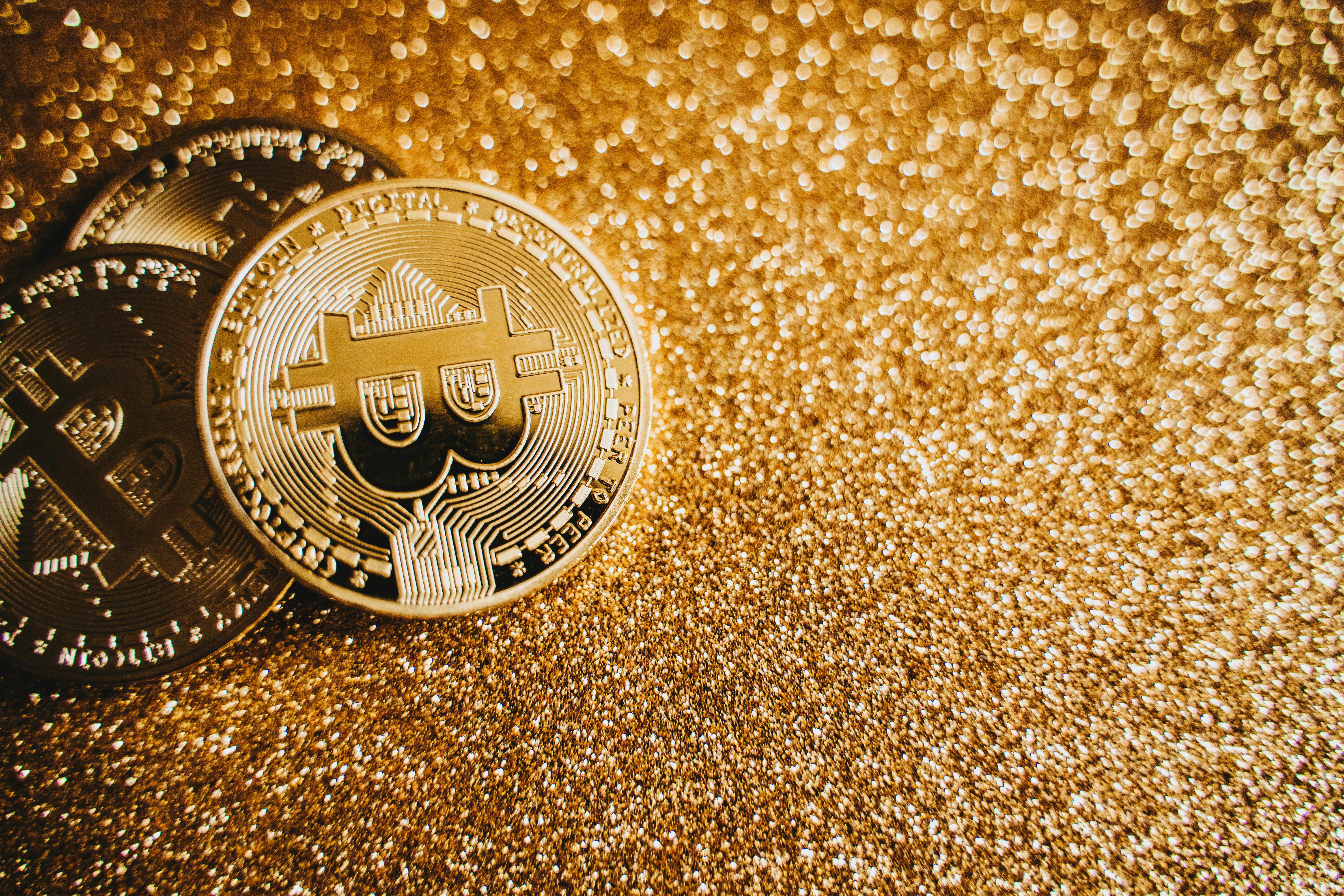
In 2026, Real-World Asset (RWA) tokenization stands as the undisputed frontier of blockchain investment, poised to unlock trillions in value. This comprehensive guide from collectpenny.com delves into how digital assets backed by tangible real estate, bonds, and private equity are democratizing finance, offering unprecedented liquidity and fractional ownership. Discover the top platforms and protocols revolutionizing investment, compare their offerings, and position your portfolio for exponential growth in this high-yield sector.
Introduction to the Topic
Welcome to 2026, where the financial landscape is being irrevocably reshaped by one of the most transformative innovations since the internet itself: Real-World Asset (RWA) tokenization. Forget the speculative fervor of meme coins; we're talking about tangible, value-generating assets – from sprawling real estate portfolios and corporate bonds to fine art and private equity shares – now existing as digital tokens on a blockchain. This isn't just a niche trend; it's a multi-trillion-dollar revolution that promises to democratize finance, enhance liquidity, and offer investors unparalleled access to previously exclusive opportunities. At collectpenny.com, we believe understanding and engaging with RWA tokenization is paramount for any forward-thinking investor aiming for maximum returns and portfolio diversification in the coming decade.
The allure of RWAs lies in their ability to bridge the gap between traditional finance and the decentralized world of Web3. By converting real-world assets into digital tokens, they inherit the benefits of blockchain technology: immutable records, transparent ownership, fractionalization, and instant global transferability. This article will serve as your definitive guide to navigating this exciting new investment frontier, helping you identify the best platforms and strategies to capitalize on the RWA boom.
Backgrounds & Facts
The concept of asset tokenization isn't entirely new, but its maturation and widespread adoption in 2026 mark a significant inflection point. Early experiments faced technological hurdles and regulatory ambiguities. However, advancements in blockchain scalability, security, and the development of robust legal frameworks have paved the way for institutional-grade RWA solutions.
According to a 2025 report by Boston Consulting Group (BCG), the market for tokenized real-world assets is projected to reach an astounding $16 trillion by 2030, with significant growth already observable by 2026. This monumental shift is driven by several compelling advantages:
- Enhanced Liquidity: Traditional assets like real estate or private equity are notoriously illiquid. Tokenization allows for instant, peer-to-peer trading on secondary markets, dramatically improving their tradability.
- Fractional Ownership: High-value assets can be divided into smaller, more affordable tokens, opening investment opportunities to a broader spectrum of investors who previously couldn't afford a full share. Imagine owning a fraction of a skyscraper or a rare vintage car!
- Increased Transparency and Auditability: Blockchain's immutable ledger provides a transparent and verifiable record of ownership and transactions, reducing fraud and increasing trust.
- Reduced Costs and Faster Settlements: Smart contracts automate many manual processes, cutting down on intermediaries, legal fees, and settlement times from days to mere minutes.
- Global Accessibility: Investors from anywhere in the world can participate, breaking down geographical barriers and fostering a truly global marketplace.
While the benefits are clear, challenges remain, primarily around regulatory harmonization across different jurisdictions and ensuring robust legal enforceability of tokenized assets. However, major financial institutions and governments are actively collaborating to establish global standards, making 2026 a pivotal year for regulatory clarity and institutional adoption.
Expert Opinion / Analysis
Leading voices in both traditional finance and Web3 are unanimously bullish on RWA tokenization. Dr. Eleanor Vance, Head of Digital Asset Strategy at Global Capital Partners, recently stated in a collectpenny.com exclusive interview, "By 2026, RWA tokenization has moved beyond experimental pilot projects to become a core component of institutional investment strategies. The ability to unlock capital from illiquid assets and to offer structured products with blockchain-native efficiencies is simply too compelling to ignore. We're seeing a significant shift in capital flows towards tokenized debt, real estate funds, and even private equity stakes."
Similarly, blockchain architect and DeFi pioneer, Kenji Tanaka, emphasizes the technological readiness: "The underlying Layer 1 and Layer 2 infrastructure is now robust enough to handle the immense transaction volume and security requirements of enterprise-grade RWA platforms. Interoperability solutions mean tokenized assets can move seamlessly across different blockchains, enhancing their utility within the broader DeFi ecosystem. We're no longer just talking about 'papering over' traditional assets; we're creating entirely new financial instruments built from the ground up on blockchain principles, offering yield generation opportunities previously unimaginable through traditional vehicles."
The consensus among experts is that regulatory clarity, especially concerning security token offerings (STOs) and digital asset regulations, will continue to accelerate institutional participation. The focus for investors should be on platforms demonstrating strong compliance frameworks, robust legal backing for their tokenized assets, and proven track records of asset origination and management. The future of finance is undoubtedly tokenized, and 2026 is the year it truly goes mainstream.
💰 Best Options in Comparison (VERY IMPORTANT)
Navigating the burgeoning RWA landscape requires understanding the diverse platforms and protocols available. Here, collectpenny.com presents a comparison of leading options that are defining the RWA investment space in 2026, catering to various investor profiles and asset classes. Each offers a unique pathway to accessing the trillion-dollar RWA market.
- 1. RealEstateX (REX) – The Premier Tokenized Property Fund: Specializing in commercial and residential real estate, REX offers fractional ownership of high-value properties across global metropolitan areas. Their tokens represent direct equity in income-generating assets, providing quarterly dividend distributions and potential capital appreciation. REX is known for its stringent due diligence and regulatory compliance, making it a favorite for institutional and accredited investors seeking stable, asset-backed returns. Minimum investment typically starts at $5,000 USD equivalent.
- 2. BondChain Protocol – Digital Debt & Fixed Income: BondChain focuses on tokenizing corporate bonds, government securities, and structured debt products. It provides access to a diversified portfolio of fixed-income assets, often offering higher yields than traditional bonds due to reduced operational overheads. Investors receive interest payments directly to their digital wallets. BondChain emphasizes transparency with on-chain verification of underlying assets and utilizes enterprise-grade blockchain solutions for security.
- 3. AltInvest DAO – Fractional Private Equity & Alternatives: For those seeking exposure to less liquid, high-growth assets, AltInvest DAO offers tokenized shares in private equity funds, venture capital portfolios, and unique alternative investments like fine art collections and rare collectibles. Operating as a decentralized autonomous organization, it allows token holders a degree of governance over new asset acquisitions. It's ideal for sophisticated investors comfortable with higher risk for potentially higher returns.
- 4. InfraToken – Decentralized Infrastructure Assets: InfraToken specializes in tokenizing physical infrastructure projects, such as renewable energy farms, data centers, and logistics hubs. Investors can gain exposure to long-term, essential services with predictable cash flows. InfraToken leverages a hybrid model, combining on-chain transparency with robust off-chain legal structures to ensure asset security and yield distribution. This platform offers a blend of stability and societal impact.
To help you make an informed decision, here's a detailed comparison table:
| Platform | Primary Asset Focus | Minimum Investment (USD Eq.) | Typical Yield/Return Range | Blockchain/Protocol | Regulatory Compliance | Target Investor |
|---|---|---|---|---|---|---|
| RealEstateX (REX) | Commercial & Residential Real Estate | $5,000 | 5-12% (Yield + Appreciation) | Ethereum (ERC-1404) | SEC-compliant STOs, KYC/AML | Accredited, Institutional |
| BondChain Protocol | Corporate Bonds, Government Securities | $1,000 | 4-8% (Fixed Income) | Polygon, Avalanche | FINRA, MiFID II aligned | Retail, Accredited |
| AltInvest DAO | Private Equity, Venture Capital, Art | $10,000 | 10-25% (Growth Equity) | Arbitrum, zkSync | Decentralized Governance, Legal Wraps | Sophisticated, High Net Worth |
| InfraToken | Renewable Energy, Data Centers | $2,500 | 6-10% (Stable Cash Flow) | Solana, Sui | Regional Infrastructure Regs, SPVs | Impact Investors, Long-Term |
Disclaimer: Investment in tokenized assets carries risks, including liquidity risk and regulatory changes. Always conduct your own due diligence and consult with a financial advisor. Performance figures are illustrative and not guaranteed.
Outlook & Trends
The trajectory of RWA tokenization in 2026 and beyond points towards continued exponential growth and diversification. We anticipate several key trends:
- Deep Integration with DeFi: Tokenized RWAs will increasingly serve as collateral within decentralized finance protocols, unlocking vast amounts of capital and creating new yield generation strategies. Imagine borrowing stablecoins against your tokenized real estate or using tokenized bonds in liquidity pools.
- Regulatory Harmonization: As more jurisdictions develop clear legal frameworks for digital securities, cross-border investment in RWAs will become even more seamless, attracting a wider pool of global capital.
- New Asset Classes: Beyond traditional assets, expect to see tokenization expand into intellectual property, carbon credits, luxury goods, and even human capital. The possibilities are truly limitless.
- AI-Powered RWA Management: Artificial intelligence will play a crucial role in enhancing due diligence, risk assessment, and automated portfolio management for tokenized assets, increasing efficiency and investor confidence.
- Institutional Custody Solutions: The development of highly secure, regulated institutional custody solutions for digital assets will further reduce perceived risks and encourage mainstream adoption.
The future of finance is a hybrid one, where the best of traditional assets meets the efficiency and transparency of blockchain. RWAs are at the forefront of this evolution, offering a robust pathway to yield and diversification.
Conclusion
Real-World Asset tokenization is not just a buzzword; it's a fundamental paradigm shift in how value is created, owned, and exchanged. By 2026, it has solidified its position as a critical investment category, offering unprecedented access to high-quality, yield-generating assets with the added benefits of blockchain technology. From fractionalized real estate to digital bonds and private equity, the opportunities for portfolio enhancement are immense.
As collectpenny.com has highlighted, choosing the right platform is crucial for navigating this dynamic landscape. Whether you're an accredited investor seeking stable returns from property or a sophisticated participant eyeing high-growth private equity, the options are maturing rapidly. Don't be left behind; explore these groundbreaking RWA investment platforms and position yourself at the forefront of the next financial revolution. The time to unlock the trillion-dollar potential of tokenized assets is now.