
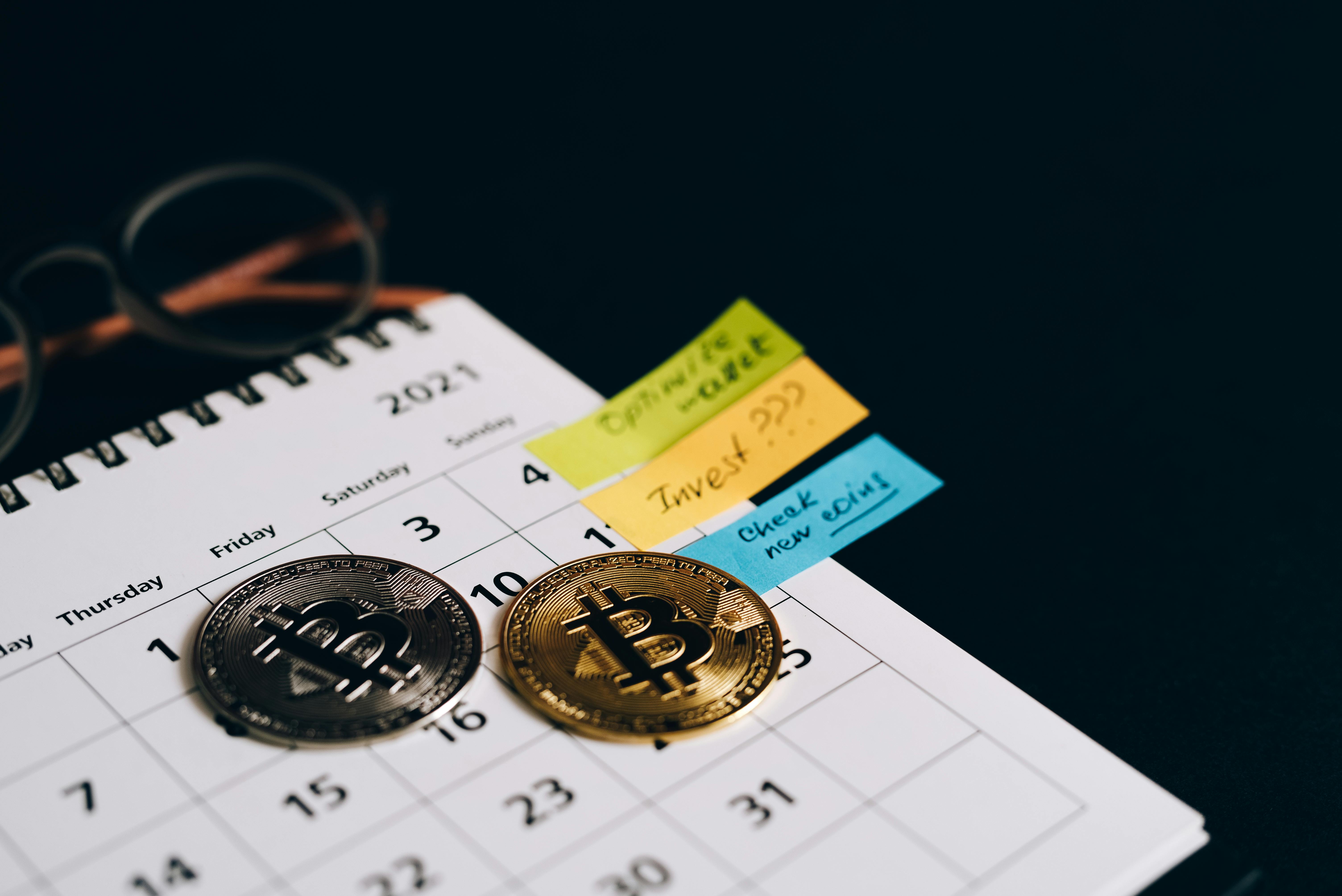
Crypto trades continuously, with no opening bell, no close and no weekend break. That structural difference from equity markets shapes how prices behave far more than most participants expect.
Traditional markets use closure as a shock absorber
A stock exchange session has a defined start and end, and everything that happens overnight is absorbed into a single opening price. The pause gives participants time to read news and position deliberately.
Auctions at the open and close concentrate liquidity into moments where many buyers and sellers meet at once. That concentration produces reliable reference prices used for valuations and settlement.
Trading halts serve a related purpose during the session, interrupting a disorderly move so information can circulate before quoting resumes.
Continuous markets push adjustment into thin hours
With no close, news is absorbed whenever it arrives, including times when few participants are active. The same headline moves price much further at three in the morning than at midday.
Liquidity providers reduce their exposure during quiet periods because the risk of being caught on the wrong side rises when there is nobody to trade out to.
The result is a market that is thinnest precisely when it is least watched, which is why so many dramatic moves happen on weekends and holidays.
Leverage interacts badly with thin liquidity
Much crypto trading is done with borrowed funds, and positions are closed automatically when collateral falls below a required level. Those closures are market orders that must be filled immediately.
In a thin book, forced selling walks the price down through progressively worse levels, which triggers further liquidations at those levels. The chain reaction is a mechanical consequence rather than a change in sentiment.
The same sequence in a market with a scheduled close would be interrupted, and participants would have hours to add collateral or arrange funding before trading resumed.
Reference prices become harder to define
Without a closing auction there is no single official price for the day, so index providers, lenders and accounting systems must construct one from averages across venues and time windows.
Different constructions produce different answers, which matters when a contract settles against one of them. Disputes about valuation in crypto are often disputes about which reference was used.
Continuous trading also means there is no natural point at which a portfolio is marked, so the boundary between one day's performance and the next is a convention rather than a fact.
Time zones decide who sets the price
Because the market never closes, price discovery passes between regions as their working hours begin and end. Each handover brings a different mix of participants and a different appetite for risk.
Flows that dominate one session may be entirely absent in the next, so a trend established during heavy Asian hours can reverse once European and American desks take over.
Nothing about the underlying asset changed during those hours. What changed is who was available to trade it, which in a continuous market is a price factor in its own right.