
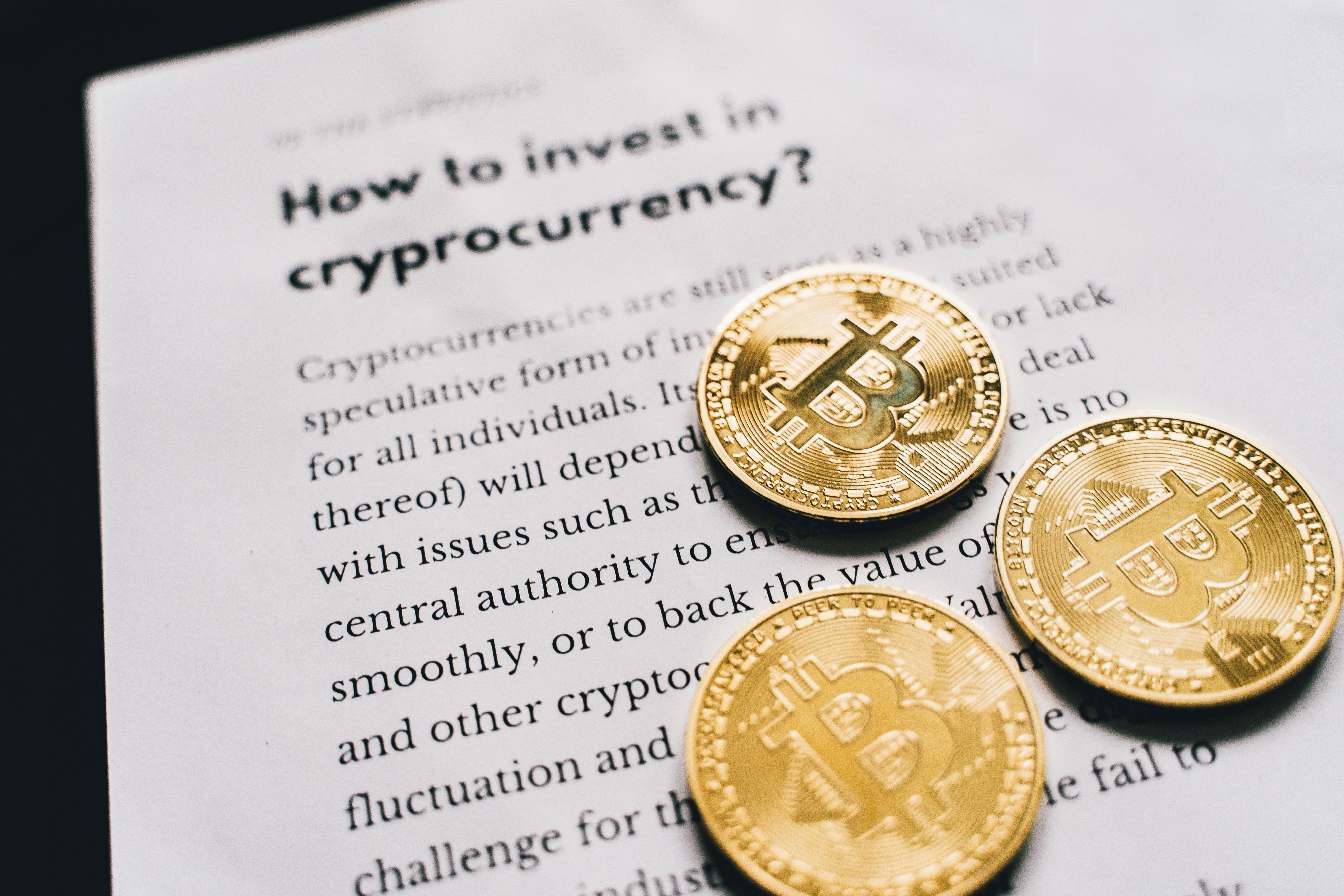
Discover how Real-World Asset (RWA) tokenization is revolutionizing investment in 2026, offering unprecedented access to illiquid markets like real estate, private credit, and fine art. This guide explores top platforms, regulatory shifts, and expert insights to position you for significant wealth creation in the booming digital asset economy.
Introduction to the Topic
Welcome to 2026, where the digital frontier continues to reshape traditional finance at an astonishing pace. While Bitcoin and Ethereum have long dominated headlines, a new, arguably more transformative, wave is sweeping across the investment landscape: Real-World Asset (RWA) Tokenization. Imagine owning a fractional share of a luxury Manhattan apartment, a burgeoning solar farm, or even a rare Picasso — all managed with the transparency, efficiency, and liquidity of blockchain technology. This isn't a distant dream; it's the present reality and the future of wealth accumulation.
RWA tokenization is the process of putting tangible and intangible assets from the traditional financial world onto a blockchain. These assets, which range from real estate and commodities to private equity and intellectual property, are converted into digital tokens. Each token represents a verifiable, fractional ownership stake, bringing unprecedented accessibility and liquidity to markets historically reserved for institutional investors and the ultra-wealthy. In 2026, with regulatory frameworks maturing and technological advancements accelerating, RWA tokenization is no longer a niche experiment but a mainstream investment opportunity poised to unlock trillions in value. This article will serve as your comprehensive roadmap to understanding, evaluating, and ultimately profiting from this monumental shift.
Backgrounds & Facts
The concept of tokenizing assets has been discussed for years, but 2026 marks a critical inflection point. Historically, illiquid assets like real estate or private debt were difficult to buy, sell, or fractionalize due to high transaction costs, extensive paperwork, and limited market access. Blockchain technology, with its inherent transparency, immutability, and programmability via smart contracts, fundamentally changes this paradigm.
What are Real-World Assets (RWAs)?
RWAs encompass virtually any asset with tangible value outside the crypto native ecosystem. This includes:
- Real Estate: Commercial properties, residential homes, REITs.
- Commodities: Gold, silver, oil, agricultural products.
- Private Equity & Debt: Startup equity, corporate bonds, loans.
- Art & Collectibles: Fine art, rare wines, luxury vehicles.
- Infrastructure: Renewable energy projects, toll roads, utilities.
- Intellectual Property: Royalties from music, patents, trademarks.
How Does Tokenization Work?
At its core, tokenization involves creating a digital representation (a token) on a blockchain that signifies ownership or a claim over a specific real-world asset. This process typically includes:
- Asset Identification & Due Diligence: Thorough legal and financial vetting of the underlying asset.
- Legal Structuring: Establishing legal ownership and rights for token holders, often through special purpose vehicles (SPVs).
- Smart Contract Creation: Programming the rules of ownership, transfer, dividends, and governance into a smart contract on a chosen blockchain (e.g., Ethereum, Polygon, Solana).
- Token Issuance: Minting and distributing tokens to investors.
- Marketplace & Liquidity: Listing tokens on compliant secondary marketplaces for trading.
The benefits are profound: fractional ownership lowers investment barriers, global accessibility opens markets, enhanced liquidity allows for easier buying and selling, and blockchain's transparency reduces fraud and operational costs. Analysts at major financial institutions like BlackRock and Fidelity now project the RWA tokenization market to exceed $10 trillion by 2030, with significant growth already observable in 2026 across various sectors, especially in private credit and real estate.
Expert Opinion / Analysis
The consensus among leading financial experts and blockchain pioneers in 2026 is clear: RWA tokenization is not just a trend; it's the inevitable evolution of global finance. "We are witnessing the convergence of traditional capital markets with cutting-edge blockchain technology," states Dr. Anya Sharma, Head of Digital Asset Strategy at Quantum Capital. "The regulatory clarity we've achieved in major jurisdictions over the past two years, coupled with enterprise-grade blockchain infrastructure, has removed significant hurdles, paving the way for institutional adoption on an unprecedented scale."
Regulatory bodies, once cautious, have largely embraced the potential of tokenization. The EU's MiCA framework, alongside clearer guidelines from the SEC and FCA, now provides a robust legal foundation for compliant RWA platforms. This regulatory maturation has significantly boosted investor confidence, attracting major players from traditional finance (TradFi) who are now actively exploring or launching their own tokenized offerings. Goldman Sachs, for instance, has expanded its digital asset division, actively tokenizing private funds and exploring collateralized lending using tokenized assets.
The impact on liquidity is perhaps the most revolutionary aspect. "Imagine unlocking the latent capital in illiquid assets worldwide," comments blockchain economist, Liam Chen. "Tokenization is fundamentally democratizing access to wealth-generating assets that were previously out of reach for the average investor. This isn't just about making rich people richer; it's about creating new avenues for economic participation globally." The ability to trade fractional shares of a commercial skyscraper or a portfolio of private loans on a secondary market, 24/7, transforms these assets from static holdings into dynamic, liquid investments.
Key areas seeing explosive growth in 2026 include:
- Tokenized Private Credit: Offering DeFi users access to real-world lending opportunities with attractive yields, and traditional lenders a new source of capital.
- Fractionalized Real Estate: Making high-value properties accessible to a wider pool of investors, from luxury homes to commercial developments.
- Carbon Credits & Green Assets: Providing transparent and efficient markets for environmental initiatives.
The integration of AI for enhanced due diligence, risk assessment, and automated compliance is also a significant development, further streamlining the tokenization process and reducing operational overheads for platforms and investors alike.
💰 Best Options in Comparison (VERY IMPORTANT)
As RWA tokenization matures, several platforms have emerged as leaders, each with unique strengths and target markets. For investors looking to capitalize on this trend, understanding these options is crucial. Below, we highlight some of the top platforms driving the RWA revolution in 2026, followed by a comparative table to help you make informed decisions.
1. Securitize
Securitize remains a powerhouse in the RWA space, especially for institutional-grade tokenization. Having secured major regulatory approvals in the US (FINRA-registered transfer agent and broker-dealer), Securitize specializes in tokenizing private equity, funds, and real estate. They offer a comprehensive suite of services, from issuance to lifecycle management, and boast a robust network of institutional clients. Their focus on compliance and security makes them a go-to for large-scale, regulated asset tokenization. In 2026, Securitize has expanded its offerings to include sophisticated DeFi integrations, allowing institutional capital to bridge into compliant decentralized lending protocols.
2. Centrifuge
A pioneer in bringing real-world assets to DeFi, Centrifuge has carved out a strong niche in tokenized private credit. Through its Tinlake protocol, businesses can tokenize invoices, supply chain financing, and other forms of real-world debt, which are then used as collateral to borrow liquidity from DeFi pools. This bridges the gap between traditional finance and decentralized finance, offering attractive, stable yields for crypto investors seeking exposure to non-volatile assets. In 2026, Centrifuge has deepened its partnerships with major lending DAOs and expanded into tokenizing a wider array of illiquid assets, including royalties and structured products, making it a prime option for yield-seeking DeFi participants.
3. Ondo Finance
Ondo Finance positions itself as a bridge between institutional investors and DeFi, offering tokenized versions of traditional financial products like US Treasuries and money market funds. Their focus is on providing compliant, yield-bearing assets that are accessible to both institutional and qualified retail investors. By offering stable, low-risk, tokenized assets, Ondo solves a critical need for capital looking for secure, yield-generating opportunities within the crypto ecosystem. By 2026, Ondo has become a preferred platform for institutional treasuries seeking exposure to blockchain-based financial instruments while maintaining strict regulatory adherence and capital efficiency.
4. Polymath (Polymesh Blockchain)
Polymath evolved from an ERC-20 token standard for security tokens to its own purpose-built blockchain, Polymesh. Designed specifically for regulated assets, Polymesh offers features like identity verification (KYC/AML built-in), compliance rules at the blockchain level, and confidential transactions. It's ideal for enterprises and financial institutions looking to issue security tokens with inherent regulatory compliance. In 2026, Polymesh has seen increased adoption for tokenizing private funds, corporate bonds, and even small-to-medium enterprise (SME) equity, providing a secure and compliant environment for these complex assets.
Here's a comparison of these leading platforms:
| Feature | Securitize | Centrifuge | Ondo Finance | Polymath (Polymesh) |
|---|---|---|---|---|
| Primary Focus | Institutional-grade tokenization of private equity, funds, real estate | DeFi-native tokenized private credit, invoices, supply chain finance | Bridging TradFi assets (Treasuries, MMFs) to DeFi for institutional/qualified investors | Purpose-built blockchain for regulated security tokens (private funds, bonds, equity) |
| Target Audience | Institutions, asset managers, accredited investors | DeFi users, crypto lenders, institutional borrowers | Institutions, qualified retail, crypto treasuries | Enterprises, financial institutions, regulated asset issuers |
| Key Asset Types | Private funds, real estate, corporate equity | Invoices, supply chain financing, royalties, structured credit | US Treasuries, Money Market Funds, bonds | Private equity, corporate bonds, SME equity, real estate |
| Regulatory Focus | Highly compliant (FINRA, SEC registered), global focus | Legal frameworks for DeFi lending, growing compliance | Strict adherence to US securities laws, accredited investor focus | Blockchain-native regulatory features (KYC/AML, permissions) |
| Blockchain(s) Used | Ethereum, Avalanche, Polygon | Ethereum (Tinlake), Polkadot (Centrifuge Chain) | Ethereum, Polygon | Polymesh (native blockchain) |
| Unique Selling Point | End-to-end institutional solution with strong regulatory backing | Pioneer in bringing real-world credit to DeFi for attractive yields | Compliant access to traditional fixed income for crypto users | Blockchain built from the ground up for regulated securities |
Outlook & Trends
Looking beyond 2026, the trajectory for RWA tokenization is one of exponential growth and profound integration into the global financial fabric. Several key trends are set to define its evolution:
- Interoperability & Cross-Chain Solutions: The fragmented nature of blockchains will diminish as cross-chain bridges and interoperability protocols become more robust. This will allow RWA tokens to move seamlessly between different networks, enhancing liquidity and market reach. We anticipate standardized protocols for RWA token transfer across disparate blockchains.
- AI-Driven Due Diligence & Risk Management: Artificial intelligence will play an increasingly critical role in automating the complex processes of asset valuation, legal due diligence, and risk assessment for tokenized assets. This will significantly reduce costs and timeframes, making tokenization more efficient and accessible.
- Emergence of New Asset Classes: While real estate and credit lead the charge, expect to see an explosion in the tokenization of novel asset classes. This includes intellectual property rights, future revenue streams, carbon credits, and even human capital. The flexibility of smart contracts allows for unprecedented creativity in structuring new financial instruments.
- Mainstream Institutional Adoption: The trickle of institutional interest will become a flood. Major banks, asset managers, and sovereign wealth funds will not only participate in RWA markets but actively build their own tokenization infrastructure. This will lead to the creation of hybrid financial systems where TradFi and DeFi seamlessly interact.
- Regulatory Harmonization: As more countries develop clear frameworks, there will be a push towards international regulatory harmonization, simplifying cross-border RWA transactions and fostering a truly global digital asset market.
- The Metaverse & Digital Twins: The convergence of RWAs with the metaverse will create new investment opportunities. Digital twins of real-world assets could be traded and utilized in virtual environments, blurring the lines between physical and digital ownership, especially in gaming and virtual real estate.
The innovation occurring in this sector is not merely about digitizing existing assets; it's about reimagining how value is created, exchanged, and distributed, leading to a more inclusive, efficient, and transparent financial system for all.
Conclusion
The year 2026 stands as a pivotal moment in the history of finance, largely driven by the monumental rise of Real-World Asset (RWA) tokenization. This isn't just a technological fad; it's a fundamental paradigm shift that promises to unlock trillions of dollars in value from illiquid assets, democratize investment, and inject unprecedented liquidity into markets worldwide. From fractionalized real estate to tokenized private credit, the opportunities for investors are vast and growing.
By understanding the underlying mechanisms, recognizing the key players, and staying abreast of regulatory developments, you can strategically position yourself to benefit from this transformative wave. Platforms like Securitize, Centrifuge, Ondo Finance, and Polymesh are at the forefront, each offering unique pathways to participate in this burgeoning ecosystem. The future of finance is digital, interconnected, and increasingly accessible. Don't be left behind. Explore these platforms, conduct your own due diligence, and consider how RWA tokenization can diversify your portfolio and contribute to your wealth creation strategy in this exciting new era.