
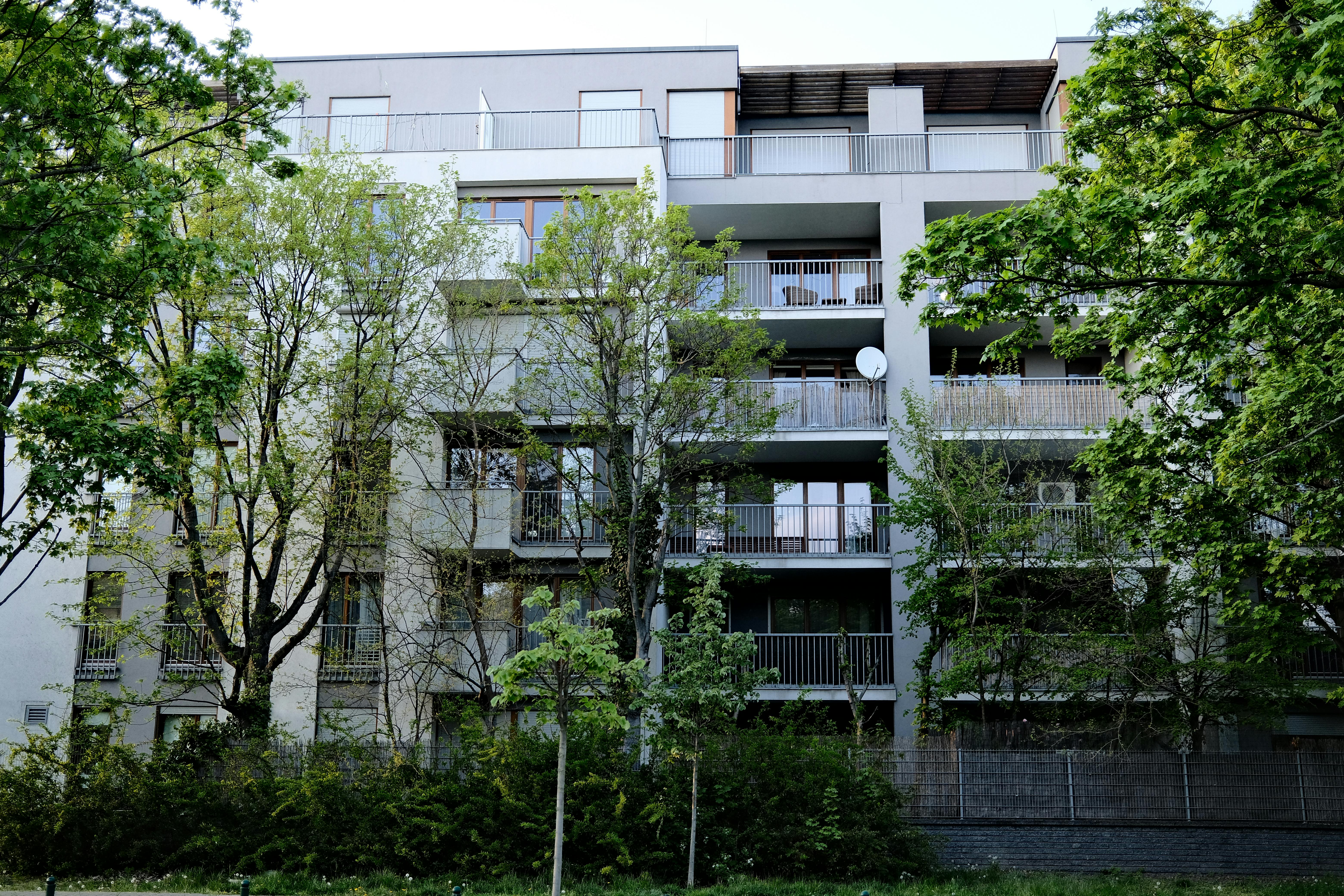
Discover how AI-driven fractional real estate investment is revolutionizing wealth creation in 2026. Learn about top platforms, low minimum entry points, and strategies for diversifying your portfolio with high-yield commercial, residential, and specialized assets. Your ultimate guide to smart, passive real estate income and inflation hedging.
Introduction to the Topic
The landscape of real estate investment has always been a cornerstone of wealth creation, offering stability and impressive returns. However, traditional entry barriers—namely, colossal capital requirements and complex management—have historically kept many aspiring investors on the sidelines. Fast forward to 2026, and a groundbreaking fusion of technology and financial innovation is demolishing these obstacles: AI-Driven Fractional Real Estate Investment. This isn't just a trend; it's a paradigm shift, democratizing access to lucrative property markets and empowering individuals to build diversified, passive income streams with unprecedented efficiency.
Imagine investing in a share of a high-performing commercial building in a booming tech hub, a luxury short-term rental property generating significant cash flow, or even a critical data center, all from your smartphone and with a fraction of the capital typically required. This is the reality that AI-powered fractional platforms are delivering. By leveraging sophisticated algorithms and machine learning, these platforms are not only identifying superior investment opportunities but also streamlining the entire process, from due diligence to property management. For the savvy investor looking to maximize CPM/RPM and secure their financial future, understanding this revolution is not just beneficial—it's essential.
Backgrounds & Facts
Fractional real estate investment, at its core, allows multiple investors to collectively purchase a single property, owning a 'fraction' of it. This concept isn't entirely new, but its evolution in 2026, powered by Artificial Intelligence, has transformed it into a highly sophisticated and accessible investment vehicle. Historically, property crowdfunding platforms laid the groundwork, but AI has supercharged their capabilities, moving beyond simple aggregation to intelligent analysis and predictive modeling.
In 2026, the global fractional real estate market, particularly the AI-enhanced segment, is experiencing exponential growth, projected to reach hundreds of billions as more investors seek tangible assets to hedge against inflation and diversify away from volatile stock markets. AI algorithms now perform hyper-efficient market research, analyzing billions of data points—including demographic shifts, economic indicators, local rental demand, property appreciation trends, zoning laws, and even social media sentiment—to pinpoint undervalued properties with high growth potential. This level of predictive analytics was unimaginable just a few years ago.
Key benefits for investors are profound: significantly lower entry points (often starting from just a few hundred dollars), allowing for superior diversification across multiple properties and asset classes (residential, commercial, industrial, specialized like data centers or logistics hubs). Furthermore, AI automates much of the property management, tenant screening, and financial reporting, reducing overheads and delivering truly passive income. Blockchain technology is also increasingly integrated, providing unparalleled transparency, security, and immutable records of ownership through smart contracts, further enhancing investor confidence and potentially improving liquidity on secondary markets.
Expert Opinion / Analysis
According to Dr. Elena Petrova, a leading AI ethicist and real estate futurist at the Global Property Institute, "The integration of AI into fractional real estate isn't just about efficiency; it's about intelligence at scale. Algorithms can detect micro-trends and predict localized market shifts with a precision human analysts simply cannot match. This fundamentally de-risks investment decisions for the average investor, making institutional-grade analysis accessible." However, Dr. Petrova also cautions, "While AI is powerful, it's a tool. Investors must still understand the underlying assets and the platform's methodology. 'Garbage in, garbage out' applies even to the most advanced AI."
The consensus among financial advisors in 2026 is that AI-driven fractional real estate represents a critical component of a balanced investment portfolio, especially for those seeking inflation hedges and passive income. "It's bridging the gap between traditional REITs and direct property ownership," states Mark Chen, a senior wealth manager at Capital Ascent Partners. "You get the diversification and professional management of a REIT, but with more granular control and often direct exposure to specific properties, which can lead to higher returns if chosen wisely."
Challenges remain, primarily around liquidity. While some platforms are developing secondary markets for fractional shares, they are not as liquid as publicly traded stocks. Regulatory frameworks are also evolving to keep pace with these innovations, requiring investors to choose platforms that are transparent and compliant. Nevertheless, the overwhelming expert sentiment points towards continued growth and refinement, with AI becoming an indispensable co-pilot for real estate investors aiming for long-term wealth accumulation.
💰 Best Options in Comparison (VERY IMPORTANT)
As the AI-driven fractional real estate market matures in 2026, several platforms have emerged as leaders, each with unique strengths catering to different investor profiles. Here's a look at some of the top contenders that should be on your radar:
-
PropriVest AI
Overview: PropriVest AI is renowned for its diverse portfolio, offering fractional ownership in a mix of high-yield commercial properties (office spaces, retail centers), multi-family residential units, and specialized assets like logistics warehouses. Their proprietary AI, "Atlas," uses predictive analytics to identify properties in emerging growth corridors across major metropolitan areas and secondary markets, focusing on stable cash flow and capital appreciation. They boast a robust due diligence process, ensuring only thoroughly vetted properties make it onto their platform.
Key Features: AI-powered property selection, diversified asset classes, transparent fee structure, detailed quarterly reports, potential for secondary market liquidity (in development).
-
RentFlow Pro
Overview: Specializing exclusively in short-term rental properties (e.g., Airbnb, VRBO), RentFlow Pro leverages AI to optimize property acquisition, dynamic pricing, and occupancy rates. Their "Voyager" AI analyzes tourist trends, event calendars, and local regulations to acquire properties in high-demand vacation and business travel destinations. Investors benefit from potentially higher yields compared to long-term rentals, albeit with slightly more volatility. RentFlow Pro handles all aspects of property management, from booking to cleaning, making it truly passive.
Key Features: Niche focus on short-term rentals, AI-optimized pricing and management, high potential cash flow, fully managed service, user-friendly interface.
-
InfraWealth Digital
Overview: For investors seeking long-term stability and exposure to critical infrastructure, InfraWealth Digital is a standout. This platform focuses on fractional ownership of essential assets like data centers, renewable energy facilities, and logistics hubs. Their "Nexus" AI identifies properties with long-term lease agreements with reputable corporate tenants, ensuring predictable, inflation-indexed income streams. This option is ideal for conservative investors looking for stable, utility-like returns with minimal market correlation.
Key Features: Focus on essential infrastructure, long-term stable income, corporate tenants, inflation hedging, lower volatility, higher minimum investments reflective of asset class.
To help you make an informed decision, here's a comparative table of these leading platforms:
| Feature | PropriVest AI | RentFlow Pro | InfraWealth Digital |
|---|---|---|---|
| Asset Focus | Diversified (Commercial, Residential, Industrial) | Short-Term Rentals (Vacation/Business) | Critical Infrastructure (Data Centers, Energy, Logistics) |
| Minimum Investment | $500 - $5,000 | $1,000 - $10,000 | $2,500 - $25,000+ |
| AI Role | Predictive analytics for acquisition & market trends (Atlas AI) | Dynamic pricing, occupancy optimization, property management (Voyager AI) | Long-term lease analysis, tenant risk assessment (Nexus AI) |
| Expected Return Profile | Moderate to High (Cash Flow + Appreciation) | High (Cash Flow, potentially higher volatility) | Stable & Moderate (Long-term, inflation-indexed) |
| Liquidity | Developing secondary market | Limited; potential for direct peer-to-peer sales | Long-term hold; very limited secondary market |
| Ideal Investor | Diversified growth & income seeker | Aggressive income seeker, comfortable with niche market | Conservative, long-term income & inflation hedge |
Outlook & Trends
Looking ahead to the rest of 2026 and beyond, the trajectory for AI-driven fractional real estate is undeniably upward. Further advancements in AI will lead to even more sophisticated predictive models, potentially incorporating real-time climate data, smart city development plans, and even hyper-local social sentiment analysis to fine-tune investment recommendations. We anticipate greater integration of blockchain for enhanced transparency, faster transaction settlements, and the creation of more robust, liquid secondary markets for fractional shares, addressing one of the current limitations.
Emerging asset classes, such as specialized agricultural land, digital infrastructure (e.g., cell towers, fiber networks), and even metaverse-linked physical properties, could become more accessible through these platforms. Regulatory bodies are also expected to provide clearer guidelines, fostering a more secure and predictable environment for both platforms and investors. The trend towards sustainable and ESG (Environmental, Social, and Governance) compliant properties will also gain traction, with AI identifying and prioritizing green buildings and socially responsible developments. This innovative sector is poised to become a mainstream investment choice for millions seeking to build wealth in a smart, accessible, and diversified manner.
Conclusion
The convergence of Artificial Intelligence and fractional ownership has ushered in a new golden age for real estate investment in 2026. No longer the exclusive domain of the ultra-wealthy, real estate is now accessible to a broader spectrum of investors, offering a powerful avenue for passive income, portfolio diversification, and a robust hedge against economic volatility. By leveraging the analytical prowess of AI, platforms like PropriVest AI, RentFlow Pro, and InfraWealth Digital are transforming how we buy, manage, and profit from property.
Whether you're looking for diversified growth, high-yield short-term rentals, or stable infrastructure income, the options are more abundant and intelligent than ever before. It's time to explore these cutting-edge platforms, compare their offerings, and take the definitive step towards building your AI-powered real estate empire. Don't just watch the future of real estate; invest in it. Your journey to passive wealth starts now!