
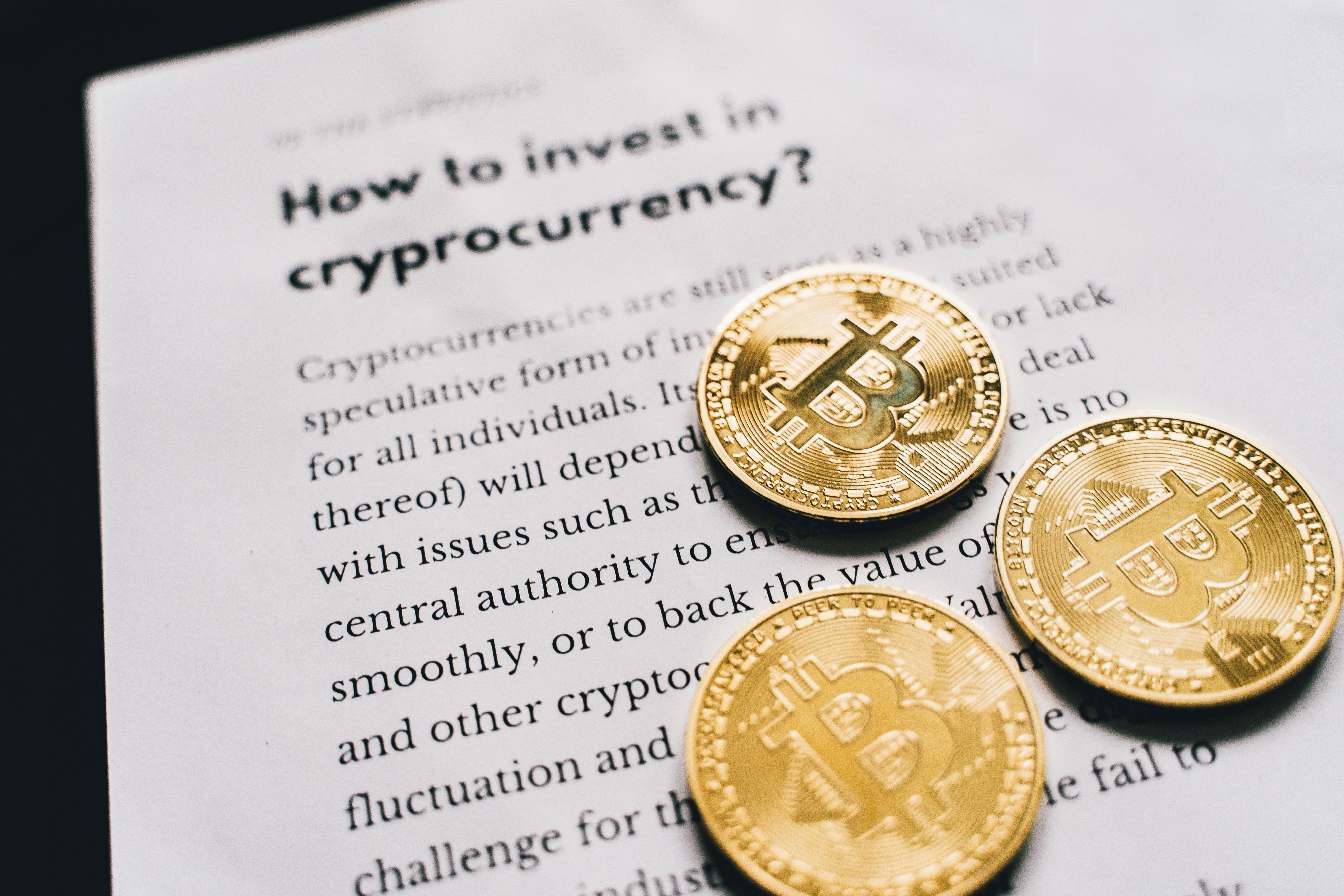
Discover the transformative power of Real-World Asset (RWA) tokenization in 2026. Learn how digital assets are unlocking unprecedented investment opportunities in real estate, gold, private equity, and more, offering enhanced liquidity, fractional ownership, and global accessibility. Explore the best platforms and strategies to capitalize on this trillion-dollar financial paradigm shift and secure your financial future.
Introduction to the Topic
Welcome to 2026, where the lines between traditional finance (TradFi) and decentralized finance (DeFi) have not just blurred, but have begun to elegantly merge. For years, the promise of blockchain technology extending beyond pure cryptocurrencies felt like a distant dream. Today, that dream is a tangible, high-growth reality, primarily driven by the meteoric rise of Real-World Asset (RWA) tokenization. If you haven't yet explored how to invest in tokenized real estate, gold, private equity, or even fine art, you're missing out on the most significant financial innovation of the decade.
RWA tokenization is more than just a buzzword; it's a fundamental restructuring of how ownership, liquidity, and value are perceived and transacted globally. This isn't about speculative digital coins; it's about taking tangible assets – from skyscrapers and classic cars to intellectual property and carbon credits – and representing their ownership on a secure, transparent blockchain. The implications for investors, from institutional giants to individual retail participants, are profound, offering unparalleled access, fractional ownership, and liquidity in previously illiquid markets. As collectpenny.com, we're dedicated to guiding you through this complex yet incredibly lucrative landscape, helping you identify the best platforms and strategies to integrate RWA tokenization into your investment portfolio today.
Backgrounds & Facts
At its core, RWA tokenization involves creating a digital representation, or 'token,' of a physical or intangible asset on a blockchain. This token carries all the legal rights and obligations associated with the underlying asset. Unlike a simple digital certificate, a token, especially a security token, is programmable, allowing for automated compliance, dividend distribution, and complex ownership structures. By 2026, the regulatory frameworks in many leading jurisdictions have matured significantly, providing clearer guidelines and fostering greater institutional adoption.
The benefits are manifold: firstly, fractional ownership. Imagine owning a precise percentage of a commercial building in New York or a rare diamond, without needing millions of dollars. This democratizes access to high-value assets previously exclusive to ultra-high-net-worth individuals or large institutions. Secondly, enhanced liquidity. Traditional real estate or private equity investments can take months or even years to sell. Tokenized assets, traded on digital exchanges 24/7, can offer near-instant liquidity, transforming illiquid assets into easily tradable ones. Thirdly, transparency and auditability. Every transaction recorded on a blockchain is immutable and verifiable, drastically reducing fraud and administrative costs associated with traditional asset management.
Market projections are staggering. Leading financial institutions and consulting firms like BCG and Deloitte now estimate the market for tokenized real-world assets could reach anywhere from $10 trillion to $16 trillion by 2030. This isn't just growth; it's a seismic shift, indicating that a significant portion of global wealth will soon be managed and traded on-chain. Early pioneers in the space, such as Centrifuge for private credit and Securitize for various securities, have paved the way, but by 2026, a new generation of sophisticated platforms has emerged, offering specialized solutions across a spectrum of asset classes.
Expert Opinion / Analysis
The consensus among leading financial analysts and blockchain economists in 2026 is clear: RWA tokenization is no longer experimental; it's essential. "What we're seeing now is the institutionalization of digital assets beyond just crypto," states Dr. Anya Sharma, head of digital asset strategy at a major investment bank. "The compliance layers, robust custody solutions, and clearer regulatory sands have made it palatable for even the most conservative investors. The risk profile has dramatically shifted from speculative to strategic."
One of the primary challenges identified in earlier years – regulatory uncertainty – has largely been addressed. Jurisdictions like Switzerland, Singapore, and increasingly the EU and parts of the US, have established specific legal frameworks for digital securities, providing a blueprint for global adoption. This clarity has emboldened institutional players, with major banks now actively exploring or launching their own tokenization initiatives, seeing it as a competitive necessity rather than a technological novelty.
Interoperability remains a key area of focus. While many platforms operate on specific blockchains (Ethereum, Polygon, Avalanche, Stellar), the emergence of cross-chain bridges and standardized token protocols (like ERC-3643 for security tokens) is facilitating seamless transfer and recognition of tokenized assets across different networks. This is crucial for creating a truly global and liquid market. Furthermore, the integration of RWA tokens into DeFi protocols is creating innovative opportunities for yield generation, allowing investors to use their tokenized assets as collateral for loans or to earn interest in decentralized lending pools, bridging the gap between traditional asset value and DeFi's capital efficiency.
💰 Best Options in Comparison (VERY IMPORTANT)
Navigating the RWA tokenization landscape requires understanding the various platforms and their specializations. Here are some of the leading options for investors looking to capitalize on this trend in 2026:
- Tokenized Real Estate Platforms (e.g., PropChain, EstateFlow): These platforms focus on fractionalizing ownership of commercial buildings, residential properties, and even real estate investment trusts (REITs). They often provide global access to prime properties with lower entry barriers than traditional real estate. Investors can buy tokens representing a share of rental income or property appreciation.
- Tokenized Precious Metals & Commodities (e.g., GoldLink, SilverVault): Offering a digital, secure, and highly liquid alternative to physical ownership of gold, silver, or other commodities. These tokens are typically 1:1 backed by audited physical reserves, providing a stable store of value and an inflation hedge, with the added benefit of instant transferability and lower storage costs.
- Tokenized Private Equity & Debt (e.g., FundStream, CreditNet): These platforms are revolutionizing access to traditionally exclusive private markets. Investors can now gain exposure to venture capital funds, private debt instruments, and infrastructure projects with significantly smaller minimum investments, enjoying the potential for high returns typically reserved for institutional investors.
- Specialized Asset Platforms (e.g., ArtFraction, CarbonX): Beyond mainstream assets, platforms are emerging for niche markets like fine art, luxury collectibles, intellectual property rights, and even environmental assets like carbon credits. These offer unique diversification opportunities and access to alternative investment classes.
To help you compare and choose, here's a table outlining key considerations for investing in tokenized real-world assets:
| Asset Type | Key Platforms/Services (Examples for 2026) | Minimum Investment (Typical) | Regulatory Focus | Liquidity Features | Ideal Investor |
|---|---|---|---|---|---|
| Real Estate | PropChain, EstateFlow, RealtyBits | $100 - $1,000 | Security Token Offerings (STOs), local property laws | Secondary marketplaces, 24/7 trading | Diversification, long-term appreciation, income generation |
| Precious Metals/Commodities | GoldLink, SilverVault, Paxos Gold (PAXG) | $1 - $10 | Stablecoin/e-money regulations, asset-backed securities | High, instant redemption/exchange | Inflation hedge, stable store of value, portfolio diversification |
| Private Equity/Debt | FundStream, CreditNet, Centrifuge | $500 - $5,000 | Accredited investor rules, STOs, DeFi lending protocols | Peer-to-peer lending, specialized digital exchanges | High-growth potential, access to exclusive investments |
| Alternative Assets (Art, IP, Carbon) | ArtFraction, CarbonX, IPRightsDAO | $50 - $500 | Varies by asset class and jurisdiction | Niche marketplaces, community-driven liquidity | Unique diversification, passion investments, impact investing |
Outlook & Trends
Looking ahead, the RWA tokenization landscape in 2026 is poised for exponential growth and further innovation. We anticipate several key trends that will shape its evolution:
- Hyper-Personalized Investment Products: Leveraging AI and blockchain, platforms will offer hyper-personalized portfolios of tokenized RWAs, tailored to individual risk appetites, financial goals, and ethical preferences.
- Advanced Regulatory Harmonization: Expect further global cooperation on regulatory frameworks, leading to easier cross-border trading and a truly global market for tokenized assets.
- DeFi-TradFi Integration Deepens: The synergy between decentralized finance and traditional financial institutions will become even more pronounced. DeFi protocols will increasingly rely on tokenized RWAs as robust collateral, while TradFi will use DeFi's liquidity pools and innovative financial instruments.
- Emergence of New Asset Classes: Beyond current offerings, expect tokenization of entirely new categories such as human capital, future royalties, supply chain receivables, and even digital identities themselves, creating novel investment opportunities.
- Cross-Chain Interoperability as Standard: Seamless movement of tokenized assets across different blockchain networks will become a fundamental expectation, enhancing liquidity and market reach.
- Sustainable and Impact Investing Focus: Tokenization will play a crucial role in verifiable impact investing, allowing investors to directly fund and track projects related to environmental sustainability, social equity, and governance (ESG) goals.
While challenges such as scalability and the need for continuous technological upgrades remain, the trajectory is undeniably upward. The sheer efficiency, transparency, and accessibility offered by RWA tokenization are too compelling for the traditional financial world to ignore.
Conclusion
The year 2026 marks a pivotal moment for Real-World Asset tokenization, transitioning from a promising concept to a foundational pillar of the global financial system. For investors, this represents an unparalleled opportunity to diversify portfolios, access previously unattainable assets, and benefit from enhanced liquidity and transparency. Whether you're a seasoned investor looking for new avenues or a newcomer eager to enter the market with a lower barrier, tokenized RWAs offer a compelling proposition.
Don't let this trillion-dollar revolution pass you by. It's time to move beyond traditional thinking and embrace the future of ownership and investment. Research the platforms, understand the assets, and consider how RWA tokenization can redefine your investment strategy for decades to come. The future of finance is here, and it's tokenized. Start exploring your options today and secure your stake in the next wave of financial innovation.